

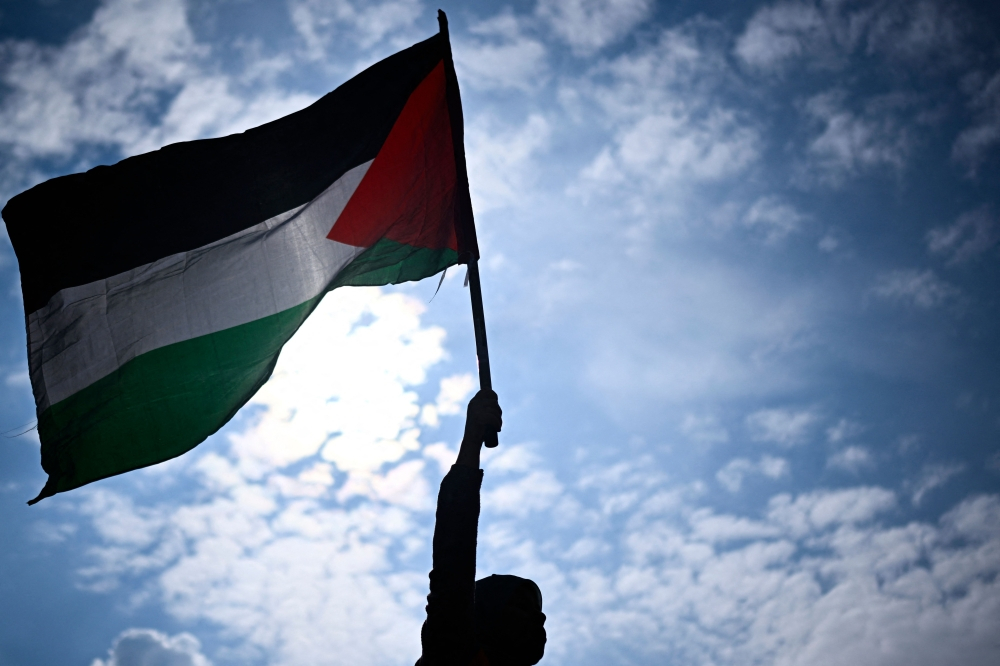
Ireland moves forward with landmark import ban
Ireland has taken another significant step in shaping its foreign policy after its parliament approved legislation that would ban the import of goods produced in Israeli settlements located in the occupied Palestinian territories.
The proposed law, known as the Israeli Settlements (Prohibition of Importation of Goods) Bill, aims to stop products originating from Israeli residential, agricultural, and commercial settlements situated beyond Israel’s internationally recognized borders from entering the Irish market.
The legislation is widely viewed as one of the strongest trade-related measures introduced by a European nation concerning Israeli settlements.
A decision guided by international law
The Irish government stated that the bill was drafted following guidance from the 2024 advisory opinion issued by the International Court of Justice (ICJ). In its opinion, the court concluded that Israel’s occupation of the West Bank, East Jerusalem, and the Gaza Strip is unlawful under international law.
Irish officials say the legislation reflects the country’s commitment to respecting international legal standards while aligning its trade policies with those principles.
Ireland’s consistent position on the conflict
Ireland has become one of Europe’s strongest critics of Israel’s military operations in Gaza following the Hamas attacks of October 2023. In 2024, Ireland officially recognized the State of Palestine, reinforcing its long-standing support for a two-state solution.
Relations between Ireland and Israel have since become increasingly strained. Following Ireland’s recognition of Palestine, Israeli Foreign Minister Gideon Saar announced the closure of Israel’s embassy in Dublin, citing what he described as Ireland’s anti-Israel policies.
More recently, the Irish government barred Israeli National Security Minister Itamar Ben Gvir and Finance Minister Bezalel Smotrich from entering the country, criticizing their actions and statements regarding pro-Palestinian activists.
Wider European discussions continue
Ireland was among the first European Union member states to propose restrictions targeting goods produced in Israeli settlements. Spain has already introduced similar import measures.
Meanwhile, the European Union continues to examine possible restrictions related to trade with Israeli settlements. However, member states have yet to reach a unified agreement on broader economic measures against Israel.
Ireland has also repeatedly called for a review of the EU-Israel Association Agreement, which has governed trade and political cooperation between the European Union and Israel since 1995.
Limited economic impact but strong political message
Although the legislation carries significant diplomatic and symbolic weight, experts believe its economic effect will be relatively small.
Trade between Ireland and Israeli settlements has remained limited in recent years, with imports primarily consisting of products such as fruits, vegetables, and timber. Between 2020 and 2024, the total value of these imports was reported to be less than one million euros.
Debate continues before final approval
The legislation will now proceed to Ireland’s upper house for final consideration.
Some opposition lawmakers argue that the proposed law does not go far enough because it applies only to physical goods and excludes services linked to Israeli settlements.
The Irish government has responded by saying that regulating trade in services presents greater legal complexity. Officials believe it is essential to ensure the legislation is legally robust before expanding its scope.
If approved in its final stage, the bill would represent another major milestone in Ireland’s approach to international trade, foreign policy, and its position on the ongoing Israel-Palestine conflict.