
As tensions in the Middle East intensify once again, Iran has firmly declined plans to attend upcoming negotiations with the United States in Pakistan, signaling a deepening diplomatic rift just days before a fragile ceasefire is set to expire.
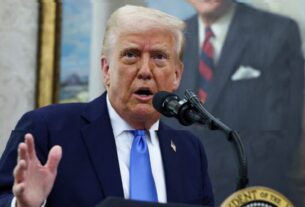
According to Iranian state media, there are currently no intentions to rejoin talks, despite a push from Donald Trump, who recently directed American negotiators to travel to Islamabad in hopes of restarting dialogue. The refusal comes at a critical moment, with the region standing on the edge of renewed conflict.
Rising Friction at Sea
The situation escalated dramatically following an incident in the Gulf of Oman, where a U.S. naval destroyer intercepted and fired upon an Iranian-flagged cargo vessel attempting to bypass an ongoing blockade. The ship was subsequently seized, with U.S. forces taking control.
Washington claims the vessel had a history of illegal activity and was under sanctions. Tehran, however, has condemned the move as “armed piracy” and warned of imminent retaliation. The confrontation underscores just how volatile the situation has become, not just politically but militarily.
Talks Collapse Before They Begin
Iranian outlets, including IRIB, Fars, and Tasnim, painted a bleak picture of the negotiation environment. Officials cited the ongoing U.S. blockade of Iranian ports as a major obstacle, calling it unjust and unacceptable.
State agency IRNA further criticized what it described as Washington’s “unrealistic demands,” emphasizing that under current conditions, meaningful or productive talks are unlikely. For Iran, lifting the blockade is not just a request—it is a prerequisite.
A Ceasefire Under Pressure
The refusal to negotiate comes just three days before the expiration of a two-week ceasefire that temporarily halted hostilities between Iran, the United States, and Israel. The truce followed a sudden escalation sparked by joint U.S.-Israeli strikes on Iran earlier this year.
So far, only one brief round of talks has taken place in Islamabad, lasting just under a day and ending without any concrete outcomes. Despite ongoing diplomatic groundwork, momentum appears to have stalled completely.
Strategic Waters, Global Impact
At the center of this crisis is the Strait of Hormuz—a narrow but critical waterway through which nearly 20% of the world’s oil supply passes. Iran’s earlier move to restrict access to the strait sent shockwaves through global markets, disrupting energy flows and increasing economic uncertainty worldwide.
In response, the U.S. imposed a naval blockade aimed at cutting off Iran’s oil exports. However, the strategy has only intensified hostilities, with both sides digging in rather than backing down.
Iran briefly reopened the strait in recognition of a ceasefire involving Israel and Hezbollah, but quickly shut it again after the U.S. maintained its blockade. Iranian military forces have since issued stern warnings that any unauthorized vessel passing through will be treated as hostile.
Diplomatic Efforts Continue Amid Uncertainty
Despite Iran’s refusal, the United States appears committed to pursuing talks. A high-level delegation—reportedly including Vice President JD Vance, envoy Steve Witkoff, and Jared Kushner—is expected to arrive in Pakistan.
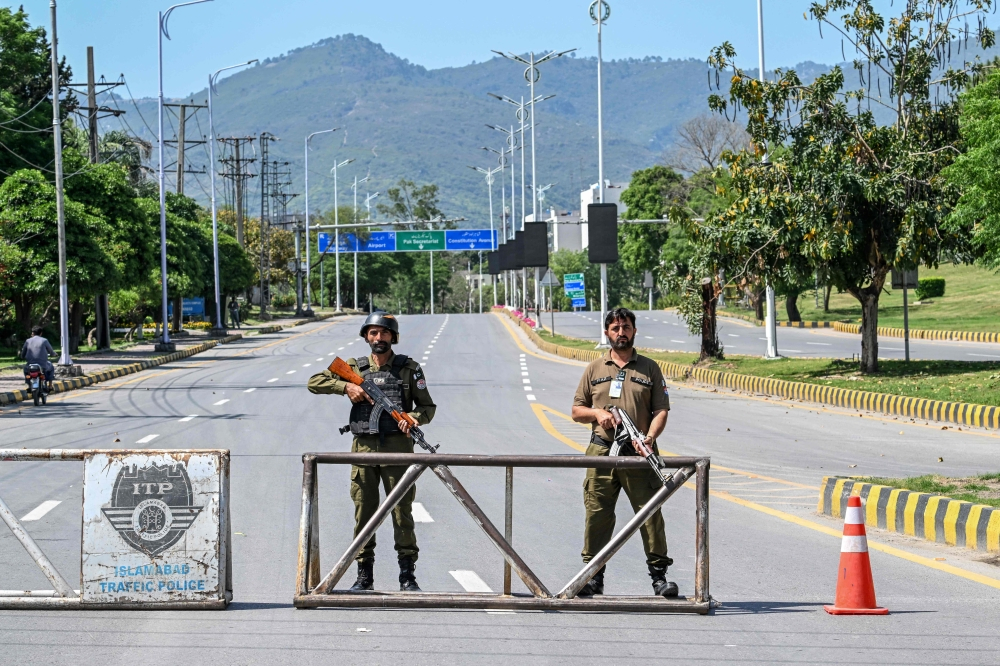
Security measures in Islamabad and nearby Rawalpindi have already been tightened in anticipation, reflecting the high stakes involved.
One of the most contentious issues remains Iran’s stockpile of enriched uranium. While Trump has suggested that Iran might agree to relinquish it, Iranian officials have strongly denied this, insisting it is both a sovereign right and non-negotiable.
President Masoud Pezeshkian has publicly questioned why Iran should give up its nuclear capabilities, framing it as a matter of national dignity and legal entitlement.