

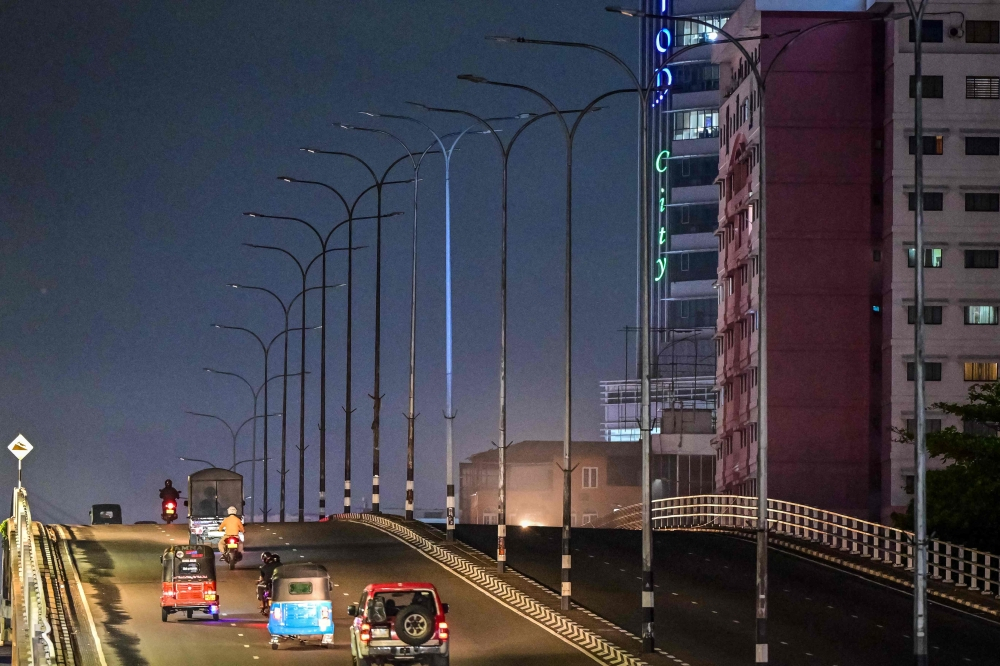
Sri Lanka is set to increase electricity tariffs by as much as 18 percent starting Monday, as the country struggles with rising energy production costs linked to the ongoing conflict in the Middle East.
According to the Public Utilities Commission, the increase will mainly affect high-volume electricity users consuming more than 180 kilowatt hours per month. Households and consumers using less than that threshold will not face additional charges for now.
The revised pricing structure will also impact industries, hotels, businesses, government offices, and religious institutions with higher electricity consumption. Officials say the decision was necessary to manage the growing financial burden caused by increased dependence on thermal power generation amid global fuel supply instability.
This latest adjustment comes only weeks after Sri Lanka introduced a 40 percent electricity tariff increase, adding further pressure on businesses and consumers already dealing with rising living costs.
Fuel prices across the island nation have also surged by more than 35 percent in recent months, while fuel rationing measures continue in some sectors due to supply disruptions tied to global geopolitical tensions.
The rising cost of energy has started to affect the broader economy. Official data shows inflation climbed to 5.4 percent in April, more than doubling compared to previous months. Analysts warn that higher electricity and fuel costs could slow Sri Lanka’s fragile economic recovery.
The country has been gradually rebuilding after suffering one of the worst financial crises in its history in 2022, when foreign exchange reserves collapsed, leading to severe shortages of food, fuel, medicine, and other essential imports.
Recovery efforts have faced additional setbacks following a devastating cyclone last year that claimed at least 643 lives and affected over 10 percent of Sri Lanka’s 22 million population. The World Bank estimated that the disaster caused approximately US$4.1 billion in direct damage to infrastructure, homes, and agriculture.
Despite support from a US$2.9 billion bailout programme approved by the International Monetary Fund in 2023, Sri Lanka continues to face major economic challenges. Energy affordability remains one of the country’s biggest concerns as global instability continues to impact fuel and electricity markets.
For many Sri Lankans, the latest tariff hike represents another difficult adjustment in an already challenging economic environment. Businesses fear higher operating costs, while ordinary citizens remain concerned about the long-term impact on household expenses and daily life.