

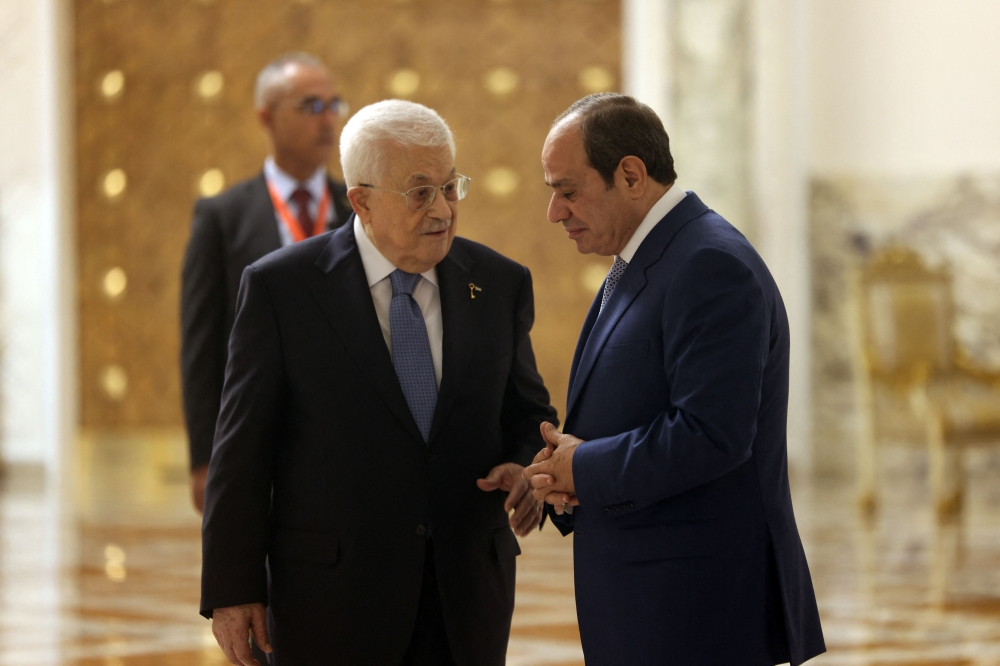
The United States has denied Palestinian Authority President Mahmoud Abbas an entry visa to attend next week’s United Nations General Assembly in New York, according to people familiar with the matter. The decision means Abbas is again unable to attend the annual high-level gathering in person.
The US State Department said it would also deny visas to members of the Palestine Liberation Organization and officials from the Palestinian Authority. Washington said the decision was linked to what it described as a failure by the Palestinian organizations to meet commitments to the United States and actions that, in its view, undermine prospects for peace.
A source familiar with the matter confirmed that Abbas is included in the visa restrictions. The decision follows a similar move by the US administration last year, when Abbas was unable to travel to New York and instead addressed the General Assembly by video.
The State Department has accused the Palestinian Authority and PLO of pursuing actions through international institutions that Washington says bypass direct negotiations. It specifically cited Palestinian involvement with the International Criminal Court and International Court of Justice, efforts surrounding international recognition of a Palestinian state, and other policies that the US says conflict with previous commitments.
The restrictions come amid continued international disagreement over how the Israeli-Palestinian conflict should be addressed. The issue of Palestinian statehood has gained further diplomatic attention, with a large number of UN member states supporting recognition of a Palestinian state at a UN conference focused on a two-state solution.
The timing is also significant because violence and tensions in the West Bank remain a major international concern. The escalation since the October 7, 2023 Hamas-led attack and the subsequent war in Gaza has resulted in a devastating humanitarian toll, while international governments continue to debate diplomacy, accountability and the path toward a political settlement.
The US position places Washington at odds with a number of countries that have taken steps toward recognizing Palestinian statehood or supporting greater Palestinian representation in international forums. At the same time, the United States has maintained that its restrictions are connected to its assessment of Palestinian actions and commitments rather than simply the upcoming UN gathering.
The decision also highlights a broader question surrounding international diplomacy: when major political disputes reach global institutions such as the United Nations, access to those institutions can itself become part of the diplomatic conflict.
For Palestinians, the absence of Abbas from the UN stage means another major international appearance may have to take place remotely or through other accredited Palestinian representatives. Reports indicate that Palestinian diplomats who are already accredited to the United Nations will still represent the Palestinian side at the General Assembly.
A moment that goes beyond one visa
Behind the diplomatic language are people living through the consequences of decisions made far beyond the walls of the UN. For Palestinians, Israelis and communities across the region, every diplomatic announcement is connected to real lives, families and hopes for security and a lasting political solution. The coming UN General Assembly will once again place the conflict under the international spotlight, but the deeper challenge remains the same: finding a path where diplomacy can move beyond statements and toward meaningful progress for people on the ground.