

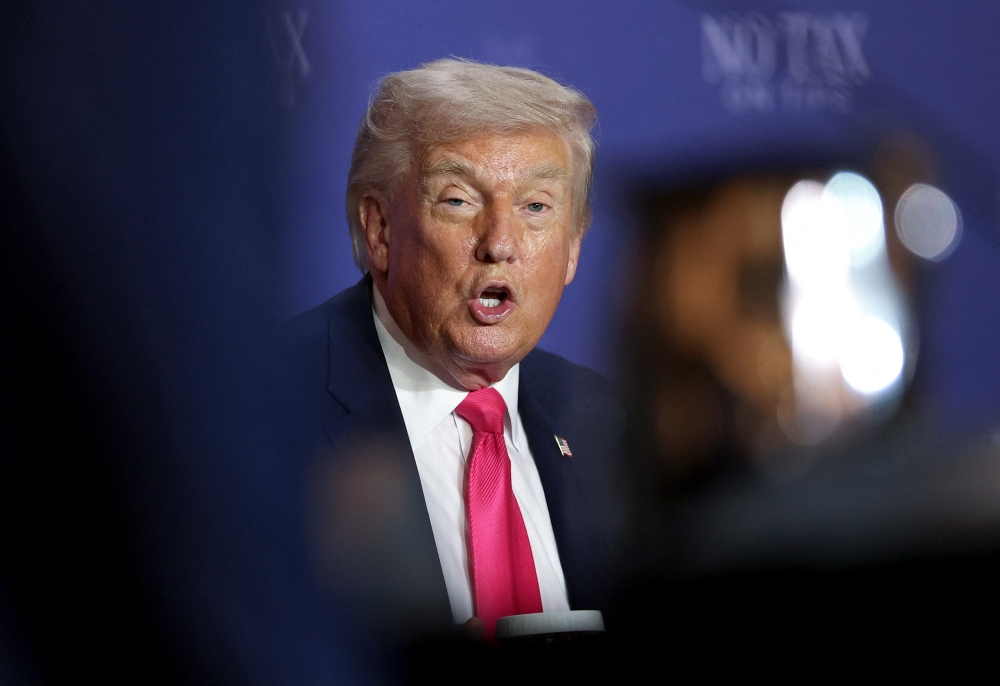
In a recent public appearance, Donald Trump described the ongoing US conflict with Iran as a “little diversion,” even as fresh polling data indicates that many Americans are increasingly uneasy about the war.
Speaking at a campaign-style event in Las Vegas, Nevada, where he promoted his “no tax on tips” policy from a major tax reform initiative passed last year, the 79-year-old president highlighted what he considers strong economic progress since returning to office in 2025.
Trump told supporters that the US economy is outperforming even his first term, which he has often praised as historically successful. However, he briefly acknowledged the military conflict, referring to it in a notably casual tone.
“We’re doing better than ever,” he said. “And yes, there’s been a small distraction involving Iran—but it was necessary.”
He went on to suggest that the decision to engage was driven by security concerns, particularly around Iran’s suspected nuclear ambitions, implying that inaction could have led to far more serious consequences.
Despite the president’s confidence, recent surveys paint a different picture of public sentiment.
An Ipsos poll conducted over the weekend found that a majority of Americans are not convinced the conflict is justified. Out of more than 1,000 respondents, 51 percent said the war is not worth its cost, while only 24 percent believed it is.
Another survey released by Quinnipiac University revealed even sharper criticism. According to the poll, 65 percent of US voters hold Trump responsible for rising gas prices, which have surged following disruptions in the Strait of Hormuz—a critical global oil route affected by the conflict.
Approval ratings on Trump’s handling of the situation also appear to be slipping. The same poll showed that only 36 percent of voters approve of his approach to Iran, while a significant 58 percent disapprove.
These numbers suggest a growing gap between the administration’s messaging and public perception. While Trump frames the conflict as a necessary and limited action, many Americans are increasingly concerned about its economic impact and long-term consequences.
As tensions continue, the political and economic ripple effects of the conflict are likely to remain a central issue—both on the global stage and at home.