
Two senior leaders of India’s youth-led Cockroach Janta Party (CJP) have reportedly been remanded to five days of judicial custody following their alleged trespassing at Jantar Mantar in New Delhi, according to a statement shared by the party.
CJP founder Abhijeet Dipke announced on social media that Ashutosh Ranka and Saurav Das had been sent to judicial custody. The two leaders were detained a day earlier after allegedly entering the Jantar Mantar area, which Delhi Police had recently removed from its list of designated official protest locations.
A video shared online by Dipke showed Ranka and Das climbing over barricades at the site, running into an open area and waving the Indian national flag before police personnel pursued and detained them. The incident has drawn attention amid growing tensions surrounding restrictions on public demonstrations in the national capital.
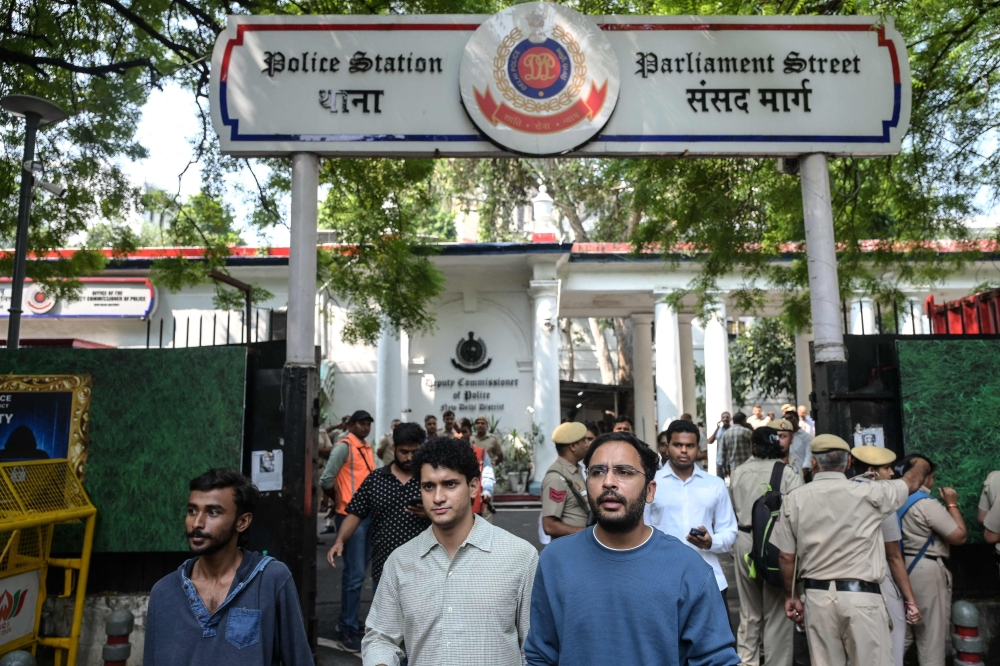
Jantar Mantar has historically served as an important venue for political demonstrations and public campaigns. However, Delhi Police had reportedly tightened restrictions around the area, with the street removed from the list of officially designated protest sites. The location has since been secured with yellow metal barricades and a substantial police presence.
The detentions come amid wider protests by supporters of online political movements and opposition groups demanding the resignation of India’s Election Commission leadership. Demonstrators have accused the poll body of manipulating electoral rolls to favour Prime Minister Narendra Modi’s ruling party.
The Election Commission of India, which oversees elections in the world’s most populous country, has denied allegations of wrongdoing. The claims and the commission’s response remain central to the broader political debate surrounding electoral transparency and public confidence in the voting process.
Following the detention of the two CJP leaders, Dipke publicly defended their actions, arguing that they were being punished for unfurling the national flag at Jantar Mantar. He also directly challenged Prime Minister Narendra Modi in his social media remarks, intensifying the political tone surrounding the incident.
The case highlights the growing friction between political activists seeking to draw attention to electoral concerns and authorities enforcing restrictions on public gatherings. While governments and law enforcement agencies have responsibilities to maintain public order and uphold the law, restrictions on protest locations can also become a flashpoint for debates about freedom of expression and peaceful assembly.
For supporters of the CJP, the detention of Ranka and Das has become another focal point in their campaign for electoral accountability. For the authorities, the alleged entry into a restricted area raises questions about compliance with public-order rules. The legal proceedings will be important in establishing how the allegations are handled.
Ultimately, the incident goes beyond two political leaders and a barricaded protest site. It reflects a broader challenge facing democracies: ensuring that public spaces remain safe while allowing citizens to question institutions, demand transparency and express their political views through lawful means. The way such disputes are resolved can influence public trust in both democratic institutions and the rule of law.