

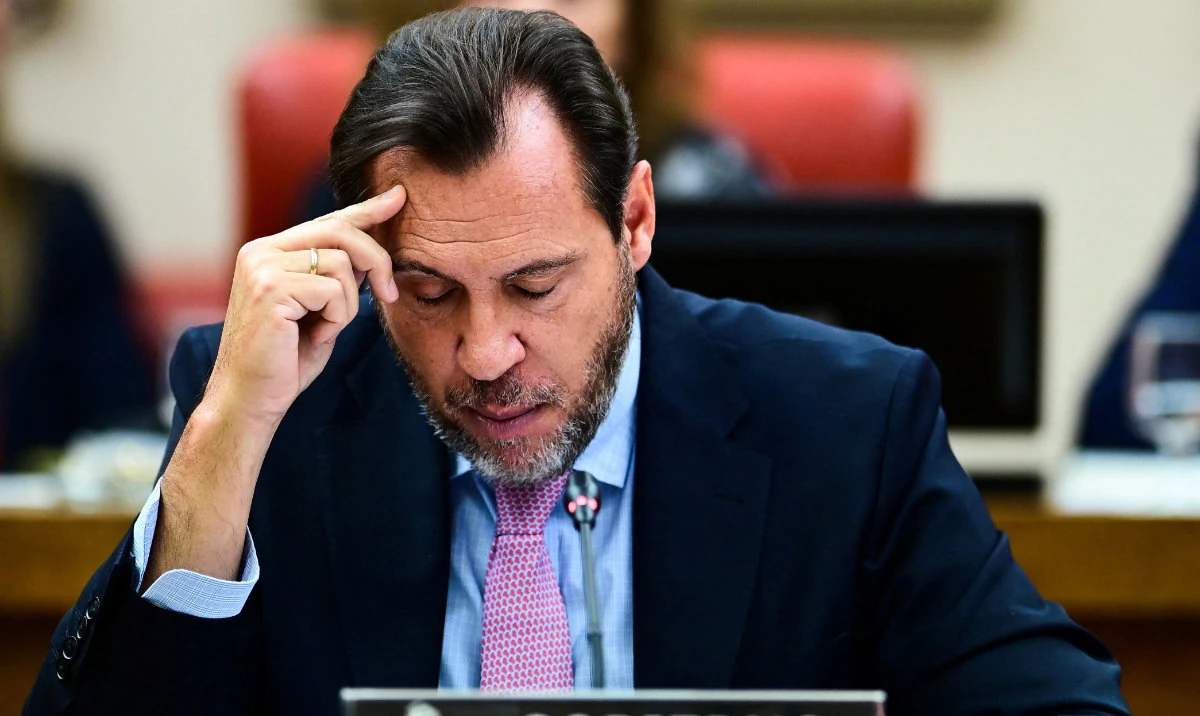
Spain’s Transport Minister Oscar Puente has submitted his resignation following a devastating train crash that claimed 69 lives last week, marking one of Europe’s deadliest railway disasters in recent years.
Puente announced his decision on Tuesday after facing intense scrutiny from opposition parties, trade unions and the public over the circumstances surrounding the tragedy. Alongside stepping down as transport minister, he also confirmed that he would withdraw from the candidate list for Spain’s November 29 general election.
The resignation comes after days of mounting pressure on the government to take responsibility for the disaster and address growing concerns about railway safety across the country.
Minister steps down amid growing public pressure
Before announcing his resignation, Puente had repeatedly rejected calls to leave his position. He had previously promised to work tirelessly to restore public confidence in Spain’s high-speed railway network, widely regarded as one of the largest and most advanced in the world.
However, following a lengthy hearing before lawmakers, the minister confirmed that he would leave both his ministerial position and the upcoming electoral race.
His departure comes at a politically sensitive time for Prime Minister Pedro Sanchez, whose Socialist government is already facing pressure ahead of the November 29 election. The railway disaster, together with another deadly accident earlier this year, has become a major issue during the election campaign.
What happened in the deadly train collision?
The accident occurred on Wednesday near the village of Urda, approximately 130 kilometres south of Madrid.
A train operated by Spain’s state-owned railway company Renfe crashed into the rear of a stationary train belonging to private operator Iryo. The collision resulted in 69 deaths and left dozens of passengers injured.
Initial reports indicated that an automatic safety system failure had brought train services to a halt along a 63-kilometre section of railway track. Despite the disruption, a control centre authorised the Renfe train to continue its journey.
The circumstances surrounding that decision have raised serious questions about railway communication, emergency procedures and the effectiveness of existing safety mechanisms.
Opposition politicians and trade unions have criticised the government’s handling of the incident, particularly what they describe as an attempt to place too much responsibility on a single control centre operator.
Spain announces new railway safety measures
Hours before his resignation, Puente presented a series of proposed measures intended to strengthen railway safety and prevent similar tragedies.
One of the major proposals involves developing new software for railway control centres. The system would generate automatic alerts, helping operators identify unusual train movements, potential risks and other operational problems more quickly.
The government also plans to introduce an artificial intelligence-based monitoring system to supervise railway operations and reduce the possibility of human error.
Puente described the proposal as unprecedented, highlighting the government’s intention to introduce additional safeguards into the railway network.
Under another proposed measure, any critical decision made by a control centre operator while the automatic safety system is unavailable would require confirmation from a second operator.
The aim is to introduce an additional layer of human oversight when existing automated protection systems are not functioning properly.
Railway workers raise concerns over safety and working conditions
The disaster has also intensified concerns raised by Spain’s railway workforce.
The train drivers’ union Semaf has announced strikes at Renfe for November 10 and 12, citing deteriorating working conditions and concerns about the continued use of railway systems operating under reduced safety conditions.
Union representatives have also questioned whether railway maintenance and infrastructure investment have kept pace with the growing number of passengers using the network.
Since Spain liberalised its railway sector in 2021, private operators have been allowed to compete with Renfe, ending the state company’s decades-long monopoly.
While increased competition has expanded passenger services, critics argue that investment in infrastructure maintenance and safety must grow alongside passenger demand.
In response to these concerns, Puente announced plans to review and improve working conditions for railway control centre employees. The proposed changes would include better management of rest breaks and closer monitoring of fatigue among operators.
Financial assistance announced for victims’ families
The Spanish government has also announced a €30 million financial assistance package, equivalent to approximately $33.5 million, for the families of those killed and passengers injured in the accident.
The support is intended to help affected families deal with the financial and personal consequences of the tragedy.
However, financial assistance alone cannot address the wider questions surrounding the accident. Families, survivors and the public will continue to seek clear answers about what went wrong and whether the disaster could have been prevented.
A second major railway tragedy raises wider concerns
The latest collision is particularly alarming because Spain experienced another deadly railway accident in January in the southern region of Andalusia.
That collision claimed 46 lives on the important railway connection between Madrid and Seville. The route holds historical significance as Spain’s first high-speed railway line, which opened in 1992.
With two major railway tragedies occurring within the same year, questions about infrastructure maintenance, operational procedures and passenger safety have become increasingly difficult to ignore.
Public trust must come before political promises
The resignation of Spain’s transport minister marks an important political development, but the larger challenge remains rebuilding confidence in the country’s railway system.
For passengers, railway safety is not simply about advanced technology, faster journeys or improved connectivity. It is about knowing that every journey is supported by reliable infrastructure, properly maintained equipment, trained professionals and effective emergency procedures.
The introduction of artificial intelligence and additional monitoring systems could help strengthen railway operations, but technology must work alongside proper maintenance, transparent investigations and accountability.
For the families who lost loved ones, the consequences of this tragedy will last far beyond the headlines. Their greatest concern is not who holds a government position, but whether meaningful changes will prevent another family from experiencing the same heartbreak.
Spain now faces an important responsibility: to investigate the disaster thoroughly, address the concerns raised by railway workers and ensure that public safety remains the highest priority.


