

Mediators from Egypt and Qatar, joined by six other Muslim-majority nations, expressed growing alarm yesterday after Israel announced plans to open the Rafah crossing as a one-way exit for Palestinians seeking to leave Gaza.
In a joint statement, the foreign ministers of Egypt, Indonesia, Jordan, Pakistan, Qatar, Saudi Arabia, Turkey, and the United Arab Emirates said they were deeply concerned by what they described as a unilateral move that could set a dangerous precedent. Israel’s proposal, they argued, risked transforming a humanitarian passage into a channel for forced displacement.
The ministers emphasized their unequivocal rejection of any attempt to push Palestinians off their homeland. They reiterated that no resident of Gaza should be pressured, encouraged, or indirectly compelled to leave under conditions of fear or instability.
Beyond the political tensions, the governments insisted that the Rafah crossing should operate in both directions, aligning with long-standing humanitarian demands and elements outlined in former US President Donald Trump’s peace framework.
Earlier this week, Israel indicated that the Rafah crossing would soon open to allow only outbound movement from Gaza into Egypt. But Egyptian officials swiftly dismissed claims that they approved such an arrangement. Cairo reaffirmed its stance: Rafah must remain a two-way humanitarian corridor, not a one-directional outlet.
Although reopening Rafah has been a key component of various diplomatic initiatives, including Trump’s plan and calls from UN agencies, progress has repeatedly stalled since the ceasefire in October. Israeli authorities cite two primary obstacles: the need for closer coordination with Egypt and Hamas’s failure to return the remains of all hostages.
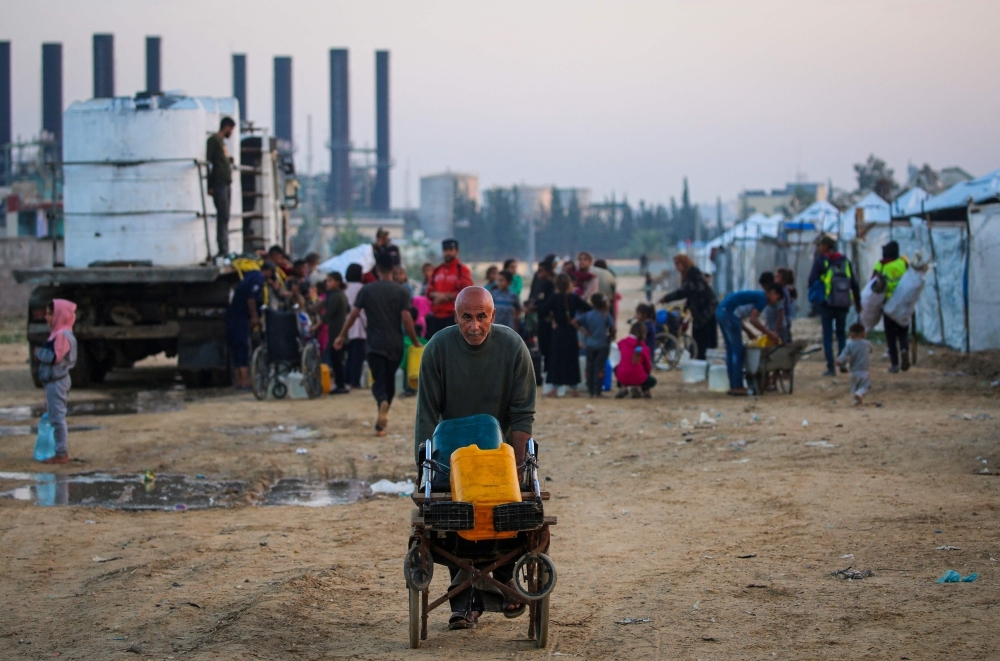
As the political debate deepens, what remains clear is the human impact on millions of Palestinians, many of whom have endured displacement, loss, and uncertainty for generations. Discussions over borders and crossings are not merely strategic—they shape the everyday lives and futures of real people. In moments like these, the world is reminded that humanitarian concerns must remain at the heart of every geopolitical decision.