
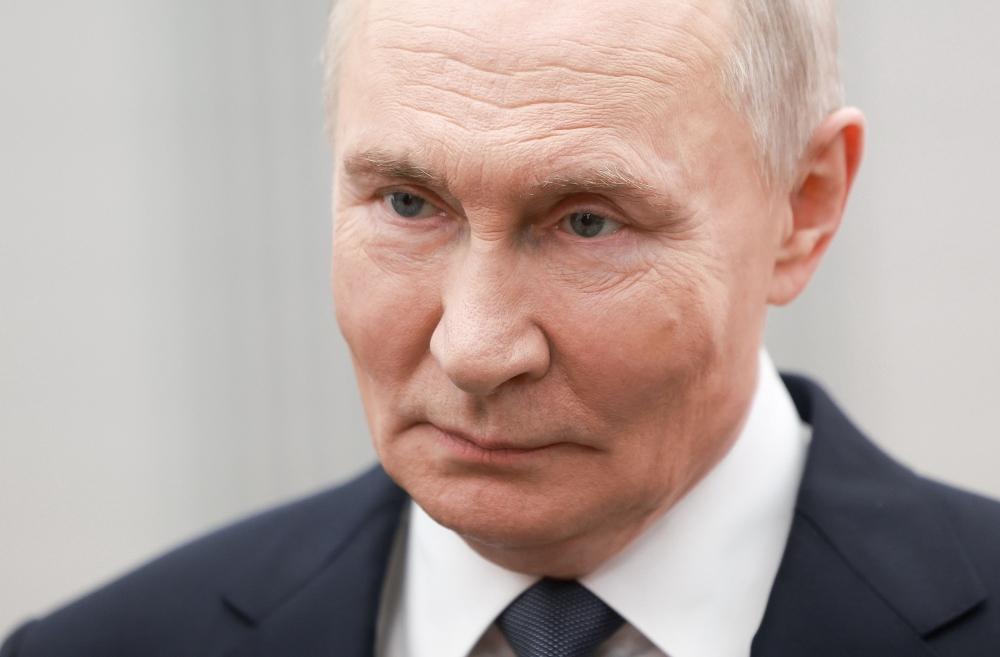
Russian President Vladimir Putin has issued a fresh warning to European countries, saying Moscow could seize European-owned ships in retaliation for plans to sell cargo taken from vessels linked to Russia’s so-called “shadow fleet.”
The warning comes as tensions continue to rise over international efforts to enforce sanctions against Russian oil exports, one of Moscow’s key sources of revenue.
Several European countries have intercepted vessels suspected of transporting Russian oil in violation of sanctions. Under new European Union measures approved last month, member states can sell oil and other cargo seized from these ships.
Russia has strongly condemned the policy. Putin described the seizures and proposed sales as acts of “piracy and banditry” and warned that Moscow would respond.
“We will be forced to respond in kind,” Putin said while overseeing naval exercises in Russia’s Far East.
He added that Russia could take action “wherever we ourselves deem necessary and appropriate—anywhere,” signaling that Moscow’s response would not necessarily be limited to a particular region.
The warning follows developments in Sweden involving a Russian vessel. Court documents obtained by AFP earlier in August indicated that Swedish authorities planned to transfer to Ukraine a seized Russian ship suspected of transporting grain from Ukrainian territory under Russian occupation.
Putin made his comments aboard the Russian cruiser Varyag near Sakhalin, where Russia’s navy was conducting military exercises.
The naval drills are taking place amid wider security tensions in the Asia-Pacific region. They come shortly before planned joint military exercises between the United States and South Korea, which are designed to simulate responses to a potential attack from North Korea.
Regional tensions have also been fueled by accusations from Kyiv and Seoul that military cooperation between Moscow and Pyongyang is becoming increasingly close.
For Europe, the latest warning adds another layer of uncertainty to an already tense relationship with Russia. What began as sanctions and efforts to restrict Russian energy revenues is increasingly becoming a wider dispute involving shipping, seized cargo and the possibility of retaliatory action at sea.
The developments highlight how sanctions enforcement can extend far beyond financial restrictions. The movement of commercial vessels, control of cargo and ownership of ships can all become part of a much larger geopolitical confrontation.
As European governments continue enforcing restrictions on Russian-linked shipments and Moscow considers its response, international shipping companies and governments will be watching closely for any escalation.
The situation remains fluid, and further action by either side could have consequences for maritime trade, energy markets and broader international relations.
Source: AFP