
The ongoing conflict in the Middle East is no longer just a regional battle. Experts warn it could reshape the global energy landscape in ways the world has not seen in decades. According to the head of the International Energy Agency, the situation could trigger an energy crisis even more severe than the oil shocks of the 1970s if the fighting continues to escalate.
The war has now entered its fourth week, and tensions are rising quickly. Fresh Israeli strikes were reported in Tehran, and leaders are signaling that the conflict may last weeks longer. Meanwhile, the United States has issued a strong warning to Iran, setting a strict deadline for reopening the Strait of Hormuz — one of the most important routes for global oil shipments. This narrow waterway carries roughly one fifth of the world’s crude oil supply, which means any disruption can ripple across economies everywhere.
Iran responded firmly, limiting traffic through the strait and warning that countries involved in attacks against it could face consequences. Missiles, drones, and retaliatory strikes have continued across the region, hitting energy sites and raising fears that the conflict could expand further.
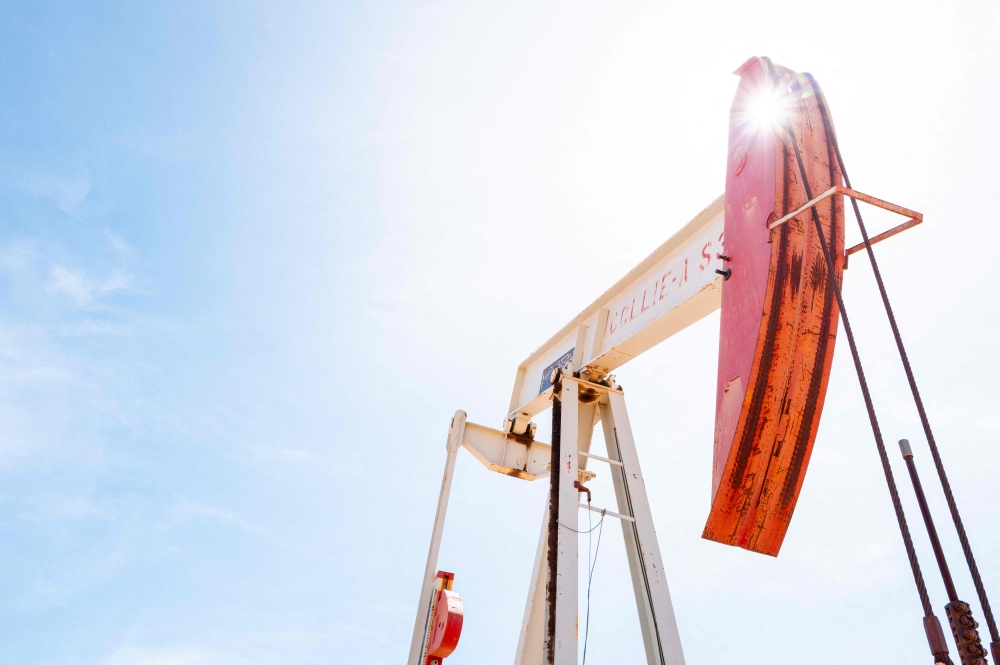
Energy analysts say the damage is already serious. Dozens of oil and gas facilities across the region have been badly affected, and oil prices have surged past 100 dollars per barrel as markets react to uncertainty. The International Energy Agency warns that the daily loss of oil supply is now comparable to multiple past global crises combined. If the situation continues, every country could feel the impact — from rising fuel costs to supply shortages and economic pressure.
Some countries are already experiencing the early effects. In Southeast Asia, a major energy supplier announced it would temporarily stop selling liquefied petroleum gas because the war has disrupted supply chains. This shows how a conflict thousands of miles away can still affect families, businesses, and industries worldwide.
World leaders are also expressing concern that the conflict could spiral beyond control. China has warned that continued fighting risks creating an unpredictable and dangerous situation across the Middle East. At the same time, different leaders are sending mixed signals — discussing both the possibility of scaling down operations and threatening new military targets.
The human cost of the war continues to grow. In Lebanon, ongoing clashes have killed more than a thousand people and forced over a million residents to leave their homes. Bridges and infrastructure are being destroyed, raising fears that the conflict could spread further across borders.
Even in Israel, where advanced air defense systems are considered among the strongest in the world, recent missile strikes have shaken communities. Some missiles managed to break through defenses, injuring civilians and reminding many that no place is completely safe during war. Residents described the shock and fear of seeing missiles land closer than expected.
At the same time, Iran has reported heavy casualties from strikes within its borders. Thousands of lives have been lost since the fighting intensified, including many civilians. The real number remains difficult to confirm as access to certain areas is limited.
Beyond the political strategies and military operations, what stands out most is the growing anxiety shared by people around the world. Rising fuel prices, uncertainty in markets, and fears of a prolonged conflict are affecting everyday life. From transportation costs to electricity bills, millions of households could soon feel the pressure.
What happens next may depend on whether diplomacy can step in before the damage spreads further. The longer the conflict continues, the greater the risk that the world could face a deep energy shock — one that might change global economies, supply chains, and daily life for years to come.
At the heart of all this are ordinary people — families trying to stay safe, workers worried about rising costs, and communities hoping for stability. In times like these, the world is reminded how deeply connected we all are. A conflict in one region can echo across continents, markets, and homes everywhere.