

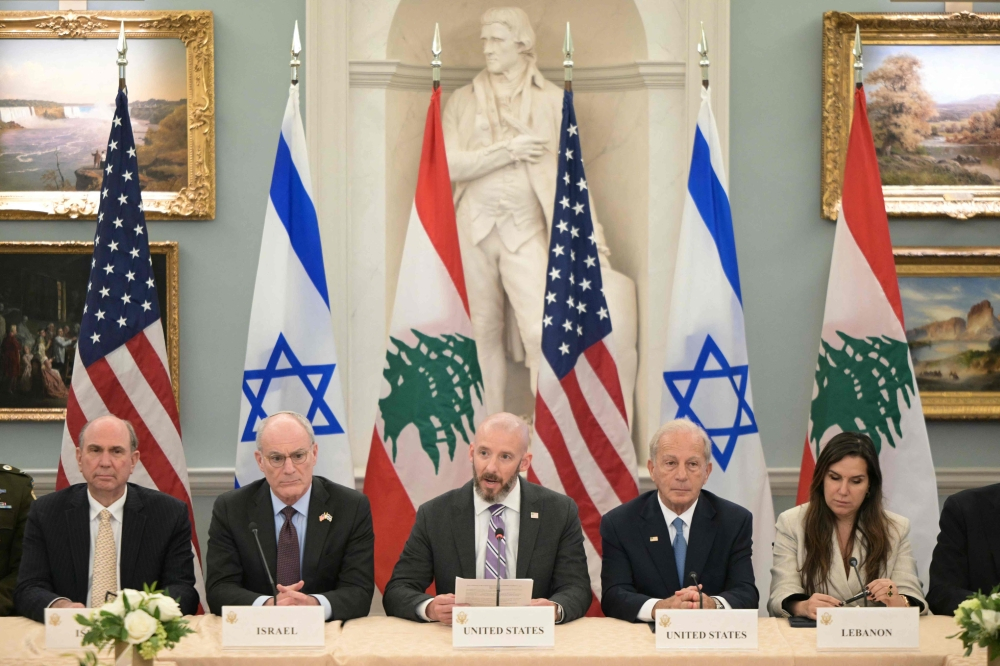
The long-standing conflict between Israel and Lebanon may be showing signs of diplomatic progress after both sides agreed to move forward with a conditional ceasefire framework following US-led discussions in Washington.
According to a joint statement released after the latest round of negotiations, the proposed ceasefire will depend on a complete halt to attacks by Hezbollah, the Iran-backed armed group that has played a central role in the ongoing hostilities. The agreement also calls for Hezbollah fighters to withdraw from southern Lebanon.
One of the most significant developments from the talks is the plan to establish pilot security zones in southern Lebanon. Under this arrangement, the Lebanese Armed Forces would take exclusive control of designated areas, ensuring that no non-state armed groups operate within those territories.
Although the announcement has raised hopes for de-escalation, violence continued on the ground. Hezbollah reported attacks against Israeli troops, while Israeli military operations in southern Lebanon reportedly resulted in multiple casualties.
The discussions in Washington marked the fourth direct round of negotiations involving Lebanese and Israeli representatives since fighting intensified earlier this year. Despite the absence of formal diplomatic relations between the two nations, both sides have continued talks in an effort to reduce tensions and create conditions for a broader agreement.
Negotiators are expected to meet again during the week of June 22 to continue discussions and explore the possibility of reaching a more comprehensive and lasting settlement.
Meanwhile, international attention remains focused on the region. US President Donald Trump emphasized the importance of separating negotiations related to Lebanon from wider discussions involving Iran. However, Iranian officials maintain that regional conflicts remain interconnected, warning that any major escalation could reignite large-scale warfare.
Military exchanges persisted throughout the day. Israeli authorities reported intercepting projectiles and an unmanned aerial threat crossing from Lebanon, while Hezbollah claimed responsibility for rocket attacks targeting Israeli military positions.
The fragile ceasefire initiative comes against a backdrop of repeated failed truce attempts. Previous agreements have struggled to gain traction, with both sides accusing each other of violating ceasefire terms.
The humanitarian impact continues to grow. Lebanese health authorities reported casualties among civilians, medical personnel, and military members. Emergency workers have faced increasing risks while responding to attacks, underscoring the devastating human cost of the conflict.
In the southern city of Tyre, concerns about security have sparked civic activism. Community leaders, legal professionals, and intellectuals have signed petitions calling for the city to become an open and demilitarized zone, free from armed presence. Similar efforts have emerged in other southern Lebanese communities affected by ongoing military operations.
As diplomatic efforts continue, residents on both sides of the border remain caught between hopes for peace and the reality of ongoing violence. The coming weeks will be crucial in determining whether negotiations can transform fragile commitments into lasting stability.
While political leaders discuss security arrangements and military conditions, ordinary families continue to bear the burden of uncertainty. For many people living in the region, the true success of any ceasefire will not be measured by signatures on an agreement, but by the return of safety, normalcy, and the opportunity to rebuild their lives after months of conflict.