
Iran’s foreign minister has resumed an intense round of diplomatic visits, moving rapidly between countries as mediators work to keep fragile communication channels open between Tehran and Washington. On Sunday, he returned to Islamabad after earlier stops, reflecting a growing urgency to prevent tensions from escalating further.
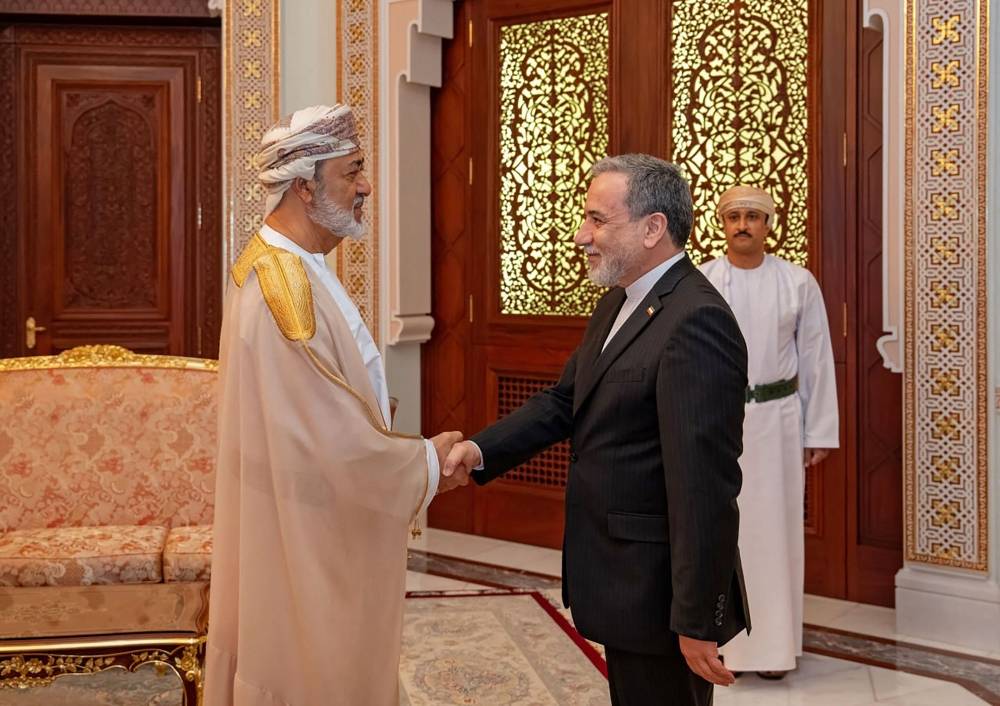
After leaving Pakistan, he traveled to Muscat, Oman, and is expected to head to Moscow next, where a high-level meeting with Russia’s leadership is scheduled. Despite these ongoing efforts, there are still no clear signs that direct talks between Iran and the United States will restart anytime soon.
A planned visit by US representatives to Islamabad was abruptly canceled. The decision signaled a pause in direct engagement, with US leadership expressing frustration over what they described as unproductive discussions. Instead, indirect communication continues behind the scenes.
According to Iranian sources, messages have been passed to the United States through Pakistan. These communications reportedly outline Iran’s key positions, especially concerning nuclear policies and control over the Strait of Hormuz. However, officials clarified that these exchanges should not be seen as formal negotiations.
Meanwhile, the broader impact of the conflict is being felt worldwide. Although a ceasefire in the ongoing war involving Iran and Israel has held since early April, its economic consequences are rippling across global markets. Iran’s decision to block the Strait of Hormuz has significantly disrupted the flow of oil, natural gas, and fertilizers, driving up prices and increasing concerns about global supply shortages.
Inside the United States, rising fuel prices are adding political pressure on leadership, especially with elections approaching. Despite tensions, officials have indicated that the cancellation of diplomatic visits does not necessarily signal a return to open conflict.
Iran’s foreign minister described earlier discussions in Pakistan as productive, though he remains cautious about Washington’s commitment to genuine diplomacy. His continued travel reflects a strategy focused on maintaining alliances and leveraging international mediation.
At the same time, Iran’s military stance remains firm. Officials have emphasized that control over the Strait of Hormuz is a critical strategic move, positioning it as a form of deterrence. In response, the United States has taken countermeasures, including restrictions on Iranian ports, further escalating the economic standoff.
Beyond Iran and the US, tensions are also rising in neighboring regions. In Lebanon, renewed military activity has been reported following accusations of ceasefire violations. Strikes and counter-statements from both sides have added another layer of uncertainty to an already volatile situation.
As diplomatic efforts continue, the world watches closely. The situation remains delicate—balancing between dialogue and escalation—with global stability, energy markets, and regional peace all hanging in the balance.