
Israeli military operations continued across southern Lebanon on Thursday, with fresh airstrikes and demolition activities reported in multiple areas despite a recently signed US-brokered framework agreement aimed at paving the way for a gradual Israeli withdrawal from Lebanese territory.
According to Lebanon’s National News Agency (NNA), an Israeli drone targeted an area near Ghandour Hospital in Nabatieh al-Fawqa, located in the Nabatieh District. While authorities confirmed the strike, there were no immediate reports regarding casualties or the extent of the damage.
Elsewhere in the Bint Jbeil district, Israeli fighter jets carried out an airstrike on the town of Braashit. Local officials have yet to release information about injuries or property losses resulting from the attack.
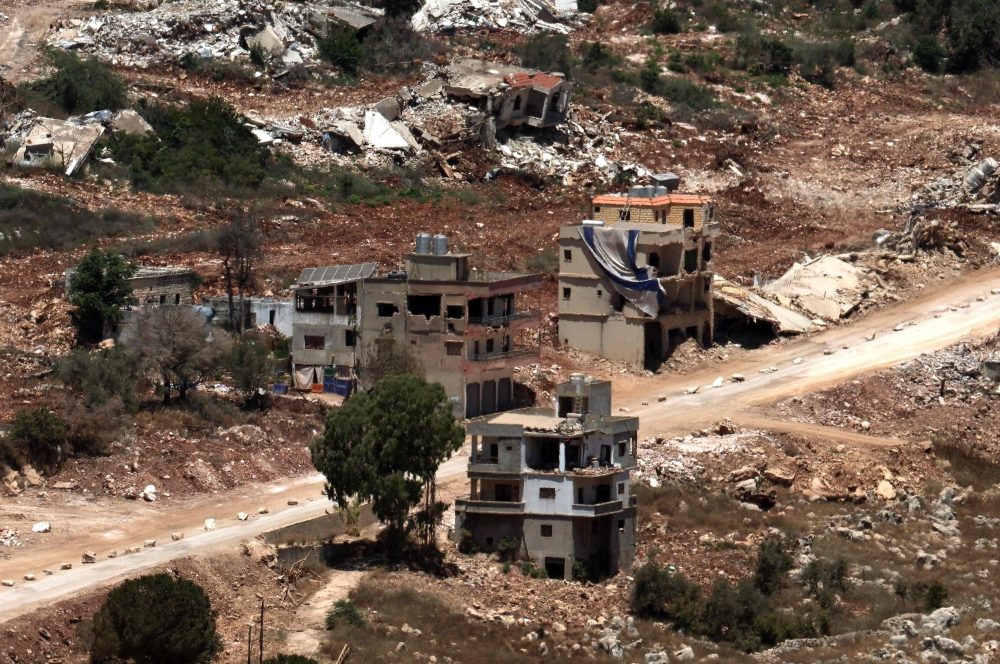
The situation further intensified as Israeli forces reportedly conducted extensive demolition operations in the town of Hadatha, destroying several residential homes. Another powerful explosion was also reported near the neighboring towns of Kounine and Tayri, raising concerns among local residents already affected by months of conflict.
Meanwhile, reconnaissance drones were seen flying at low altitude over the city of Tyre and nearby communities, adding to growing tensions across southern Lebanon.
The Israeli military had not issued an official statement regarding Thursday’s strikes or demolition activities at the time of publication. Israel has consistently maintained that its operations are directed at Hezbollah fighters and military infrastructure. However, Lebanese authorities argue that a significant number of those killed and injured during the ongoing conflict have been civilians.
The latest military activity comes only days after Lebanon and Israel signed a US-sponsored framework agreement on June 26. The agreement outlines a phased Israeli withdrawal from Lebanese territory, beginning with two pilot zones that have not yet been publicly identified.
Although viewed as a diplomatic breakthrough, the agreement does not specify a fixed timeline for the withdrawal. Its implementation is tied to the Lebanese Armed Forces assuming complete security responsibilities in evacuated areas, alongside the disarmament of all non-state armed groups, particularly Hezbollah.
Lebanese officials have described the agreement as an important first step toward restoring national sovereignty, stabilizing the country’s southern regions, and enabling thousands of displaced families to safely return to their homes.
Hezbollah, however, has strongly rejected the agreement, calling it both “non-existent” and “humiliating.” The group insists that linking Israel’s withdrawal to Hezbollah’s disarmament crosses what it describes as “red lines,” signaling that major political and security challenges remain.
According to the latest official figures released by Lebanese authorities, Israeli military operations since March 2 have resulted in the deaths of 4,298 people and injuries to 12,196 others.
As diplomatic efforts continue, the renewed violence highlights how fragile the current situation remains. While international mediators continue pushing for stability and long-term peace, ongoing military actions on the ground continue to place civilians at significant risk and underscore the challenges facing any lasting resolution in the region.