

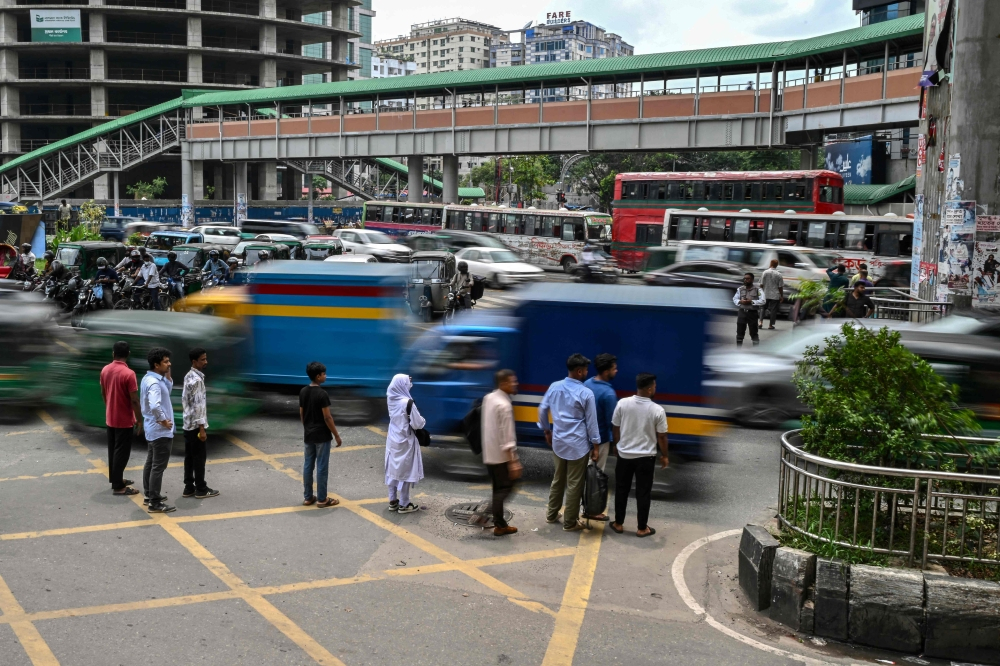
Bangladesh has increased fuel prices for the second time in just six weeks, reflecting ongoing financial stress linked to global energy disruptions and rising import costs driven by geopolitical tensions in the Middle East.
The government, which relies on imports for around 95 percent of its fuel supply—mostly sourced from the Middle East—adjusted prices in an effort to ease pressure on state finances.
Under the latest revision, kerosene now costs 135 taka (approximately US$1.09) per litre, up from 130 taka. Petrol has also increased to 140 taka (US$1.14) from 135 taka, while diesel prices remain unchanged for now. Authorities are also reportedly reviewing the possibility of further electricity tariff hikes.
This price adjustment comes at a time when inflation continues to weigh heavily on households across the country. Despite slight improvements, inflation still stood at 9.04 percent in April, keeping the cost of essential goods high for ordinary citizens.
The rising energy burden has also pushed Bangladesh to seek additional financial support. In March, Dhaka confirmed it was pursuing around US$2 billion in loans from multilateral lenders to stabilize its energy sector, which has been strained by global fuel price volatility and ongoing conflict-related disruptions.
In May, the International Monetary Fund (IMF) confirmed discussions for a new assistance program at Bangladesh’s request. The country is already operating under a US$5.7 billion IMF support package initiated in 2023, scheduled to run over four years.
While major urban centers like Dhaka have largely avoided frequent power outages, rural communities continue to experience intermittent disruptions. With summer temperatures reaching up to 35°C and increased use of cooling systems among those who can afford them, electricity demand is expected to surge further.
Alongside price adjustments, Bangladesh is also exploring long-term energy security solutions. These include offshore natural gas exploration bids and progress on its first nuclear power plant in Ruppur, where initial uranium fuel loading has already been completed.
As fuel prices rise once again, many households are left navigating the ripple effects in daily life—from transport fares to grocery bills. For ordinary families, each adjustment is not just a number on paper, but a direct impact on survival costs in an already stretched economy.
In moments like these, economic decisions become more than policy—they become part of everyday struggle, shaping how people move, cook, work, and live in silence behind the statistics.