

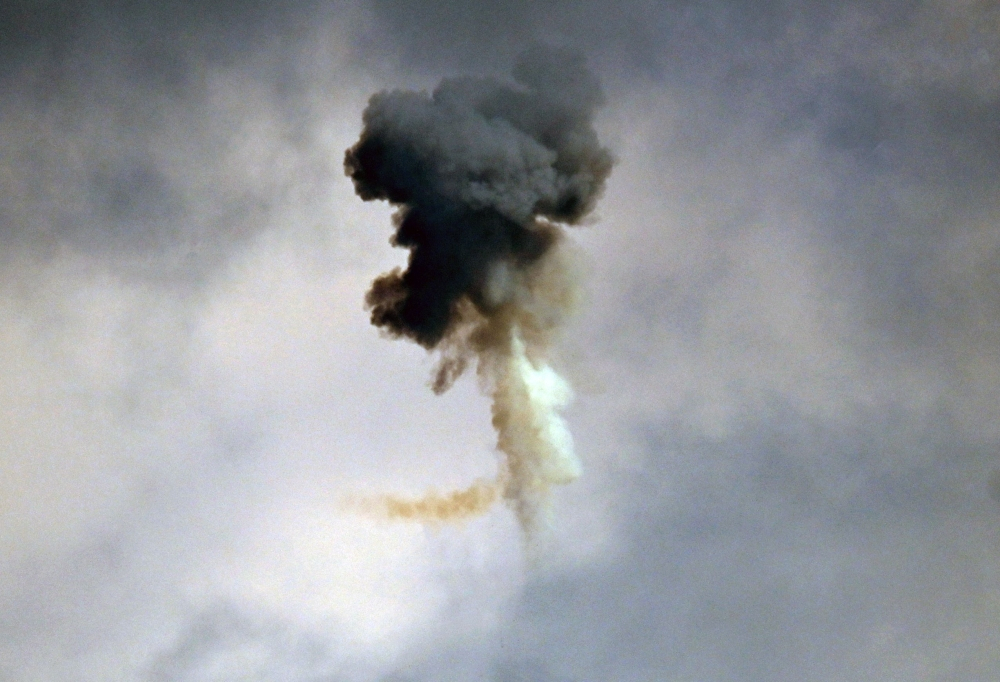
Ukrainian President Volodymyr Zelensky has issued a stark warning to airlines, insurers and passengers using Russian airspace, saying the skies over Russia are becoming increasingly dangerous as Ukraine expands its long-range drone operations.
In his latest nightly address, Zelensky said Ukrainian drones would continue appearing across Russian skies for as long as the war continues. He stressed that Ukraine was not targeting civilian aircraft, but argued that the growing scale of drone activity was something the aviation industry could no longer ignore.
“Russian airspace is becoming completely unsafe,” Zelensky warned, urging airlines and insurers to reconsider the risks associated with operating through Russia’s major airports.
His comments come as Ukrainian drone attacks have increasingly disrupted operations at Russian airports. Flight delays, diversions and temporary closures have become more frequent as drones approach major transportation hubs.
Zelensky described the situation bluntly, saying that Russia’s skies would remain affected by drones while the war continues.
The warning quickly drew a strong response from Russian President Vladimir Putin, who accused Ukraine of engaging in what he called “state terrorism.”
Putin argued that meaningful negotiations could not take place while attacks continued, highlighting the growing gap between the two sides even as international efforts to end the conflict remain uncertain.
Ukraine and Russia intensify long-range attacks
The latest exchange comes during another period of escalating attacks between Russia and Ukraine.
Russian forces have increased their use of missiles and drones against Ukrainian cities, while Ukraine has stepped up attacks on targets inside Russia, including infrastructure, ports, industrial facilities and other strategic locations.
Recent Russian strikes around Kyiv reportedly killed at least 12 people, adding further pressure on Ukraine as its air-defence systems face shortages of ammunition.
Russia has also acknowledged that Ukrainian strikes have caused damage to infrastructure inside its territory.
Putin said Ukrainian attacks had hit civilian facilities, including oil refineries, while arguing that some of the damage occurred because those facilities were insufficiently protected.
At the same time, Putin claimed that Russian forces were continuing to increase the pace of their offensive operations on the battlefield.
Zelensky leaves room for diplomacy
Despite his strong warning, Zelensky indicated that Ukraine could temporarily limit drone activity in Russian airspace under certain circumstances.
He said Ukraine could remove its drones from specific areas for defined periods if its international partners requested such action as part of diplomatic efforts or negotiations.
That position suggests Kyiv is trying to keep military pressure on Russia while still leaving a door open for diplomacy.
However, efforts supported by the United States to negotiate an end to the war have faced significant obstacles. The broader international situation has also become more complicated as attention has shifted toward the conflict in the Middle East.
US mediation efforts continue
Despite the lack of a major breakthrough, Putin spoke positively about US envoys Steve Witkoff and Jared Kushner, who have been involved in Washington’s attempts to facilitate negotiations between Russia and Ukraine.
Putin described both men as welcome and sincere partners in the diplomatic process.
Their involvement reflects continued US efforts to find a path toward negotiations, although the positions of Moscow and Kyiv remain far apart.
For airlines, insurers and ordinary passengers, however, the latest developments raise a different and immediate concern: how safe is Russian airspace while the war continues?
With drone attacks reaching deeper into Russian territory and airport operations repeatedly affected, aviation safety is becoming an increasingly important part of the wider consequences of the conflict.
The war is no longer being felt only on the battlefield. It is increasingly shaping how people travel, how businesses assess risk and how the international aviation industry views the skies over the region.
As both sides continue to increase the intensity and reach of their attacks, the question of when the skies will become safe again remains closely tied to the much larger question of when the war itself will finally end.