
The United States has announced that it will soon begin paying billions of dollars in outstanding contributions owed to the United Nations, offering temporary relief to a global institution facing serious financial strain.
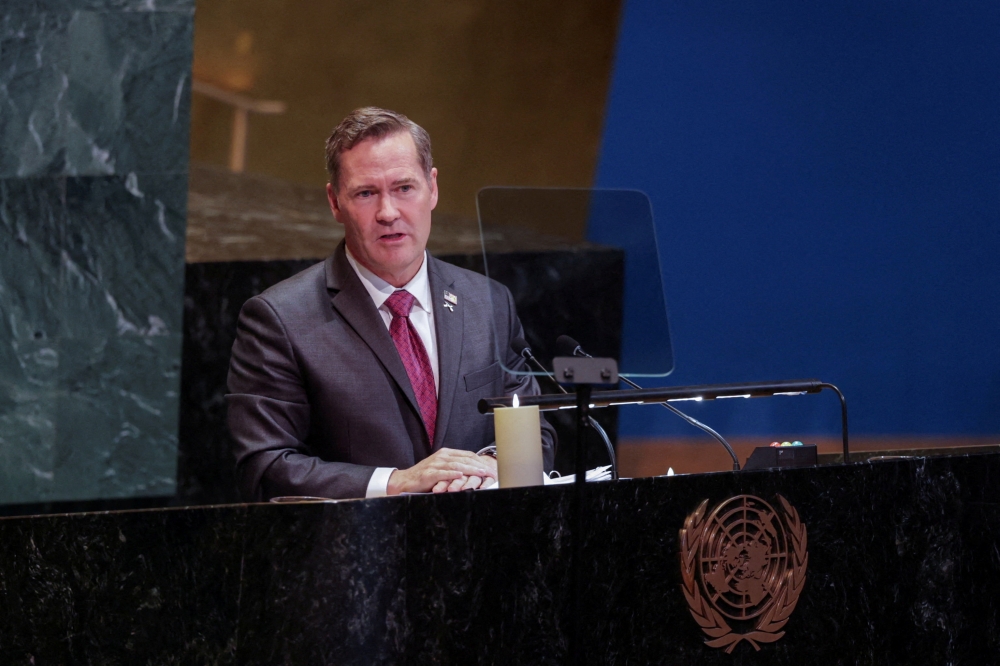
Speaking during a visit to Geneva, US Ambassador to the UN Mike Waltz confirmed that Washington plans to start making payments “within weeks,” focusing first on what he described as America’s “amassed dues.” While he did not specify the exact amount or timeline, the commitment signals a shift after months of delayed and reduced funding.
The move comes at a critical moment for the United Nations. Secretary-General Antonio Guterres recently warned that the organization was nearing financial collapse due to member states failing to pay their mandatory contributions fully or on time. The ongoing budget shortfall has already forced the UN into hiring freezes, operational cutbacks, and tighter spending controls.
According to reports, the United States currently owes more than US$2 billion in unpaid membership fees for the UN’s regular operating budget, along with nearly the same amount for peacekeeping operations. As one of the UN’s largest financial contributors, delays from Washington significantly impact the institution’s ability to function effectively.
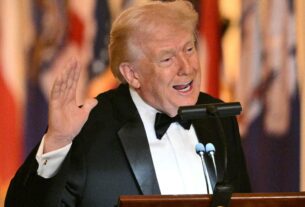
Under President Donald Trump’s administration, US funding to certain UN agencies has been reduced, and some mandatory contributions were rejected or delayed. Since Trump’s return to office over a year ago, the United States has also withdrawn from several UN agencies, including the World Health Organisation. These actions have raised broader concerns about America’s stance toward multilateral cooperation.
Despite committing to repay overdue dues, Waltz emphasized that Washington will continue pushing for structural reforms within the United Nations. He stated that the US expects greater efficiency and accountability, urging agencies to “do at least the same amount, if not more, with less.”
Waltz expressed support for Guterres’ reform agenda but suggested that such changes should have been initiated earlier in the secretary-general’s tenure. The US has maintained that financial contributions must be tied to measurable reforms and operational improvements.
There have also been concerns that Washington’s recently launched “Board of Peace” initiative could serve as a rival platform to the UN. Waltz rejected those claims, clarifying that the initiative is meant to complement, not replace, the global body.
During his remarks in Geneva — home to the UN’s European headquarters and numerous agencies — Waltz questioned whether some UN offices should continue operating in the world’s most expensive cities. He suggested that in today’s interconnected world, physical location may be less critical than before, hinting at possible structural shifts in the future.
However, he dismissed suggestions that the UN headquarters should be relocated from New York following visa controversies that prevented some leaders from attending last year’s General Assembly. “You need one place in the world where everyone can talk,” Waltz said. “And of course, that place will always be New York.”
The coming weeks will be crucial. While the US pledge to pay outstanding dues offers short-term relief, deeper questions remain about funding stability, institutional reform, and the future of global cooperation.
At its core, this is more than a financial story. It is about responsibility, global leadership, and the survival of an institution designed to bring nations together in times of crisis. When powerful countries delay support, the ripple effects are felt far beyond diplomatic corridors — impacting peacekeeping missions, humanitarian aid, and vulnerable communities worldwide.
The world now watches to see whether promises turn into payments, and whether reform and cooperation can move forward together rather than in conflict.