

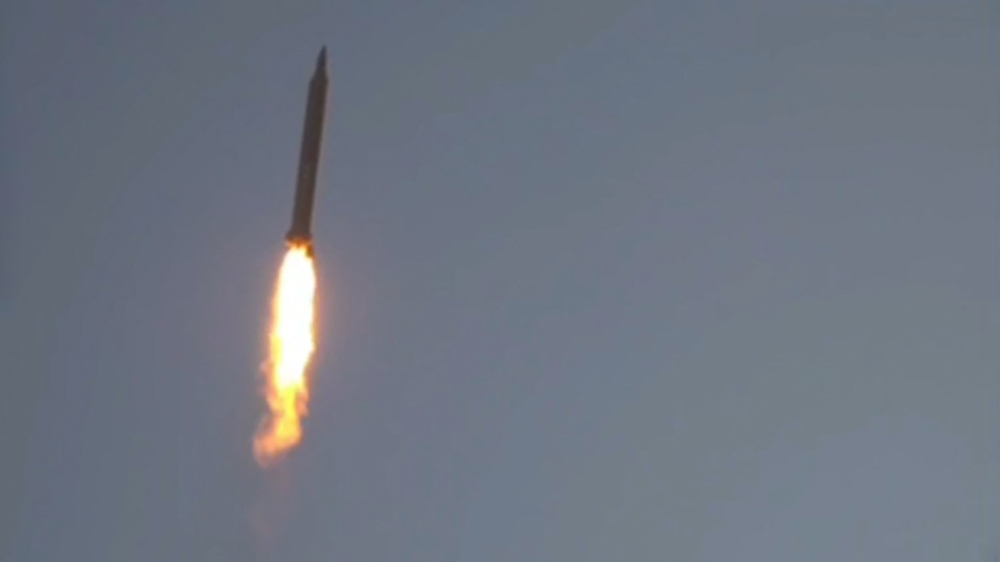
The scale of the US military campaign against Iran is beginning to reveal a problem that goes beyond battlefield losses. A new report from the US Defense Department’s inspector general says the conflict has placed significant pressure on America’s ammunition stockpiles and exposed serious weaknesses in the country’s ability to quickly replenish weapons.
According to the mandatory report submitted to Congress, Operation Epic Fury cost an estimated US$33.4 billion between February 28 and June 30. Of that amount, approximately US$22.3 billion was spent on munitions that were used during the operation.
The report warned that the heavy use of ammunition has created “strategic inventory shortfalls” while also exposing bottlenecks across the industrial base responsible for producing and resupplying weapons.
The findings highlight how an extended high-intensity conflict can put enormous pressure on even one of the world’s most powerful militaries. Having advanced weapons is one thing; maintaining enough of them, producing replacements quickly and keeping supply chains functioning during a prolonged war is another.
The Pentagon watchdog also documented significant losses and damage to US military aircraft during the conflict. Four F-15 fighter jets were destroyed, one F-35 was damaged, seven KC-135 tanker aircraft were damaged and as many as 30 MQ-9 Reaper drones were destroyed.
The revelations come as President Donald Trump has repeatedly rejected concerns that the United States could run short of weapons. Just weeks ago, Trump said the country had “virtually unlimited” ammunition. In another post on his Truth Social platform, he emphasized that the US was producing more advanced weapons than at any previous point in its history.
However, concerns over weapons availability have already surfaced during the conflict. Previous reporting has pointed to shortages of long-range guided missiles and air-defense interceptors, issues that have reportedly influenced US military planning. The US military was also reported to have used a substantial portion of its THAAD missile-interceptor inventory.
The intensity of the opening phase of the conflict helps explain the pressure on US stockpiles. US Central Command has said that American forces struck more than 1,000 targets during the first 24 hours of the war. The scale of those initial attacks was significantly greater than the operations conducted during the later months of the conflict.
The consequences of the war have also extended beyond ammunition and aircraft. The Pentagon report said Iranian strikes damaged or destroyed hundreds of buildings and other structures at US military bases across Kuwait, Bahrain, Qatar, the United Arab Emirates, Saudi Arabia, Iraq, Oman and Jordan.
Those infrastructure losses were not included in the US$33.4 billion cost estimate. The report said it remains unclear how much reconstruction will ultimately cost, whether every damaged facility will be rebuilt and which parties will be responsible for paying for the repairs.
Behind the billions of dollars and military equipment numbers is a much larger question about the sustainability of modern warfare. A country can possess sophisticated aircraft, missiles and defense systems, but a prolonged conflict ultimately tests something less visible: how quickly an industrial system can replace what the battlefield consumes.
The latest findings offer a reminder that wars are not measured only by territory gained or targets destroyed. They are also measured by the resources consumed, the factories required to replace them and the financial and human burden left behind.
For the United States, the report raises difficult questions about ammunition reserves, weapons production capacity and military readiness. For the rest of the world, it shows how quickly a major conflict can place pressure on global defense supply chains.
Ultimately, behind every missile fired, aircraft deployed and military base damaged is a cost that continues long after the headlines fade. The real test may not simply be how much military power a country can deploy today, but whether it can sustain that power tomorrow.