
Fresh tensions in the Middle East have once again shaken global stability after US military strikes on Iranian-flagged tankers triggered retaliatory responses from Tehran, putting a fragile ceasefire at risk and raising fears of a wider regional conflict.
The latest developments unfolded as US President Donald Trump confirmed that Washington was still waiting for Iran’s official response to a new proposal aimed at ending the ongoing war and reopening diplomatic negotiations.
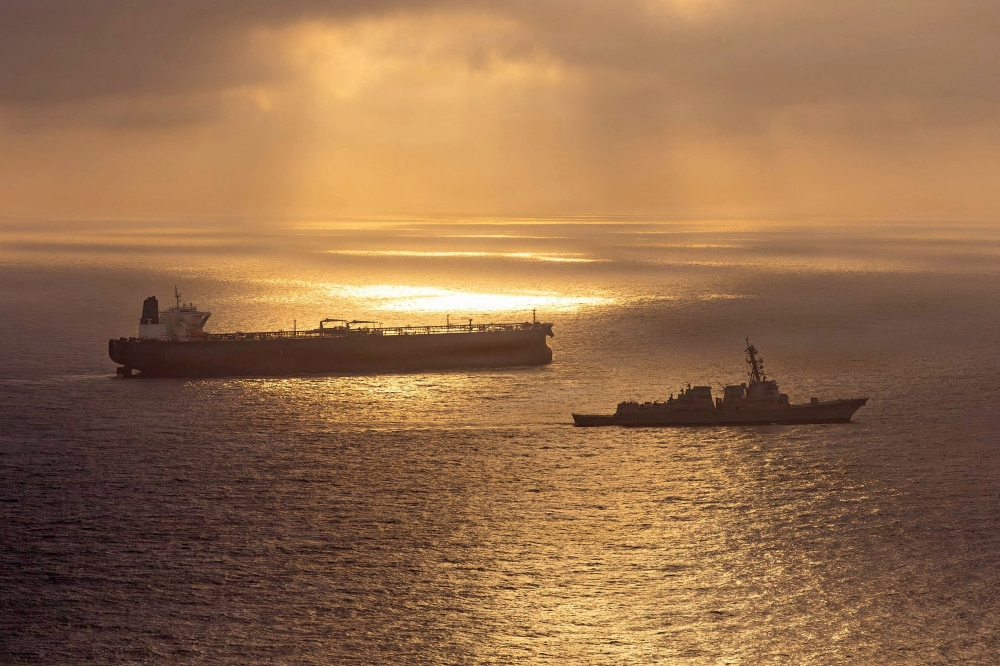
According to US Central Command, an American F/A-18 Super Hornet fighter jet carried out precision strikes on two Iranian-flagged tankers in the Gulf of Oman. The United States claimed the operation was intended to stop the vessels from reaching Iran during a highly sensitive ceasefire period.
Iran strongly condemned the attacks, accusing the United States of violating the truce and sabotaging peace negotiations. Iranian military officials stated that naval forces responded with counterstrikes, though they later claimed that clashes had stopped.
The incident has intensified fears surrounding the Strait of Hormuz, one of the world’s most critical oil shipping routes. Iranian officials have repeatedly emphasized the strategic importance of the strait, warning that any disruption could severely impact global energy markets.
US Secretary of State Marco Rubio described Iranian control over the oil corridor as “unacceptable,” while reiterating that Washington remains hopeful for a “serious” diplomatic response from Tehran.
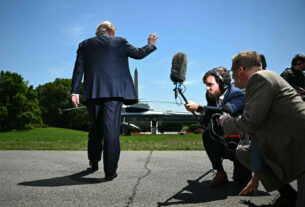
At the White House, Trump told reporters that a formal communication from Iran was expected soon, signaling that negotiations may still remain possible despite the latest military escalation.
Meanwhile, diplomatic efforts involving Pakistan and Qatar are reportedly underway to preserve the ceasefire and push both sides toward a permanent settlement. Qatar’s Prime Minister Sheikh Mohammed bin Abdulrahman Al Thani also held discussions with US Vice President JD Vance in Washington regarding regional stability and peace initiatives.
Adding to global concern, satellite monitoring agencies detected a significant oil slick spreading near Iran’s Kharg Island, the country’s key oil export terminal. Analysts fear the spill could further damage Iran’s already strained economy while creating additional environmental and geopolitical pressure in the Gulf region.
Kharg Island remains central to Iran’s oil exports and sits close to the strategically sensitive Strait of Hormuz. Since the conflict escalated earlier this year, disruptions in the strait have repeatedly caused uncertainty in global financial and energy markets, driving oil prices upward and increasing international anxiety.
Reports also revealed that Saudi Arabia allegedly declined to allow the US military to use its airspace and military bases for a proposed naval operation in Hormuz, fearing that deeper involvement could worsen regional instability.
At the same time, violence has intensified on another front involving Hezbollah and Israel. Hezbollah launched missiles and drone attacks targeting Israeli military bases following recent Israeli strikes in Beirut and southern Lebanon.
Israeli operations in southern Lebanon reportedly killed several civilians, including women and children, according to Lebanese health authorities. The violence threatens to derail already fragile diplomatic discussions between Lebanon and Israel, which are expected to take place in Washington soon.
The rapidly changing situation highlights how delicate the Middle East ceasefire remains. Every military action now risks triggering broader regional consequences that could impact not only neighboring countries but also global trade, oil supplies, and international security.
As world leaders wait for Iran’s official response, many observers fear that the coming days could determine whether diplomacy survives or whether the region moves toward another dangerous phase of conflict.