
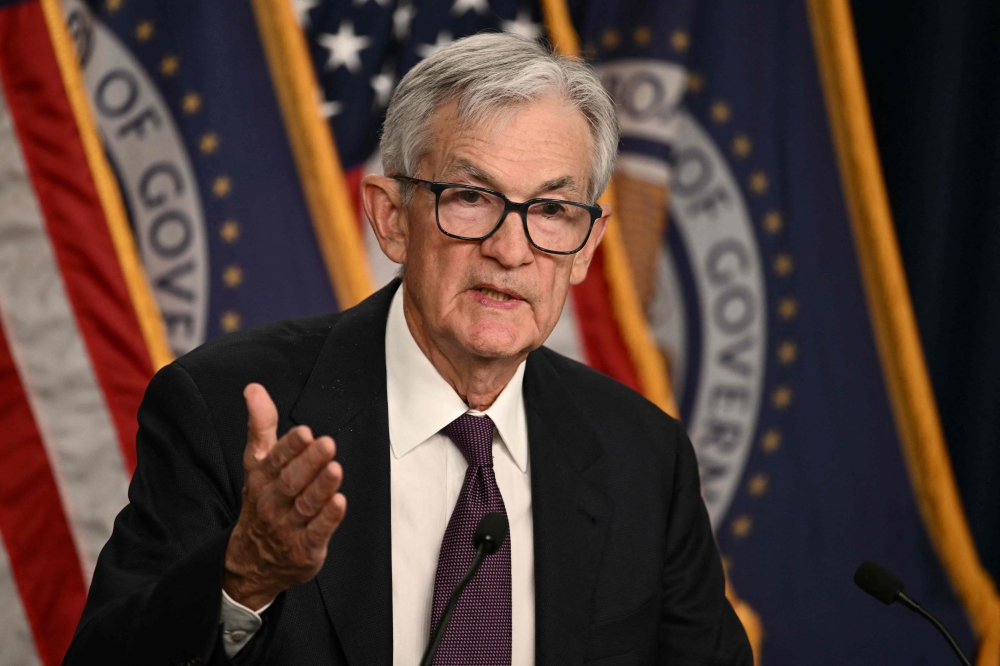
The head of the US central bank, Jerome Powell, said the economic impact of the recent surge in energy prices appears manageable for now. However, he cautioned that the situation could become more serious if people and businesses begin to expect inflation to stay high for a longer period.
Speaking during an event at Harvard University, Powell explained that central banks typically try to look beyond short-term supply shocks. According to him, sudden spikes in energy prices often rise quickly but also fade over time, while changes in monetary policy take much longer to influence the economy.
The comments come after tensions in the Middle East escalated following US-Israeli strikes on Iran on February 28. Iran responded in ways that restricted access to the vital Strait of Hormuz, a key global route for transporting oil and gas.
This narrow waterway plays a major role in the global energy market. In normal times, roughly one-fifth of the world’s crude oil and liquefied natural gas moves through it. As the conflict entered its fifth week, concerns over supply disruptions pushed oil prices sharply higher worldwide.
Those rising costs are now being felt in the United States, where gasoline prices have climbed. Higher fuel costs can spread through the economy, increasing transportation expenses, raising production costs, and ultimately pushing consumer prices upward.
Despite the uncertainty, Powell said the Federal Reserve believes its current policy stance allows it to pause and observe how the situation unfolds.
For the moment, he noted that longer-term expectations about inflation remain relatively stable. This stability is important because when people believe prices will continue rising rapidly, it can influence wages, spending decisions, and business pricing strategies, potentially creating a cycle of persistent inflation.
Still, Powell acknowledged that supply disruptions like energy shocks can sometimes shift public expectations. If that happens, the central bank may need to respond.
He also pointed out the difficult balancing act the Federal Reserve faces. The institution has two major goals: maintaining stable prices and supporting strong employment. Right now, the risks appear to be moving in two directions at once — inflation could rise while the labor market may also begin to weaken.
When asked about the possibility of another financial crisis, Powell said the US financial system is far stronger than it was before the 2008 global financial crisis. Over the years, regulations and safeguards have been strengthened to make banks and financial institutions more resilient.
At the same time, he stressed that regulators should not attempt to remove all risk from the system. Instead, the focus should be on making sure the financial sector can withstand shocks and continue operating even during difficult periods. Officials are currently paying attention to growing areas of finance such as private credit markets.
Powell also spoke about the importance of the Federal Reserve remaining independent from political pressure. As his term as chair is set to expire in May, he emphasized that the central bank must stay focused on economic stability rather than political interests.
He added that the ideal leader of the Federal Reserve should be someone capable of earning trust and potentially being reappointed regardless of which political party is in power.