
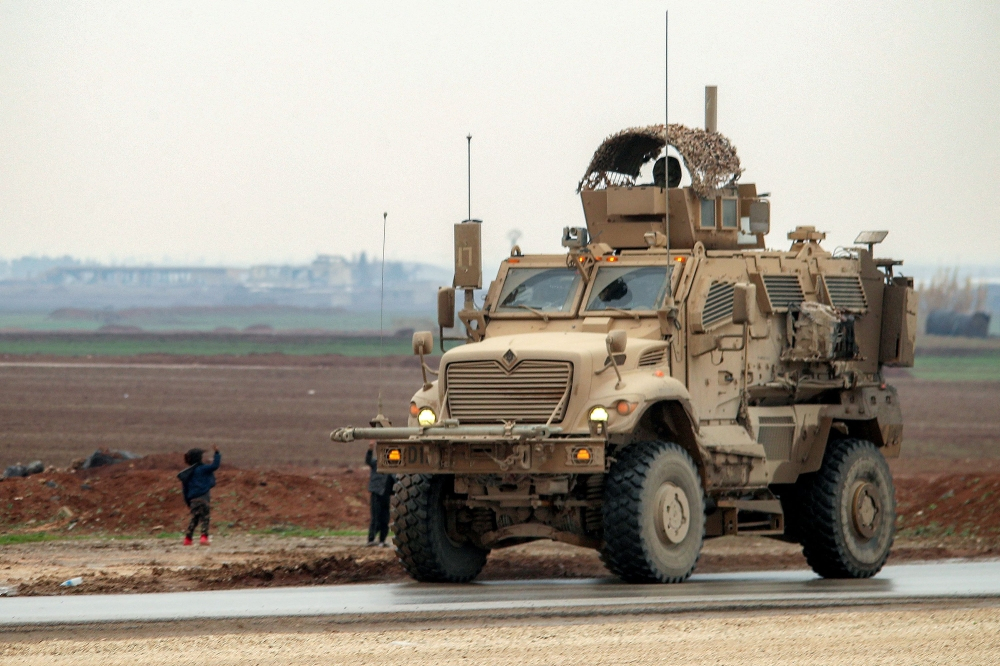
US President Donald Trump has announced plans to send an additional 5,000 American troops to Poland, a move that is expected to intensify ongoing debates surrounding NATO’s future and Europe’s growing defense responsibilities.
The announcement came after days of uncertainty over whether the United States would continue with an earlier military deployment plan. Washington had previously indicated that a planned troop movement involving around 4,000 soldiers could be canceled as the Trump administration pushed European allies to take greater responsibility for their own security.
Speaking through his Truth Social platform, Trump confirmed the new deployment and linked the decision to his close political relationship with Polish President Karol Nawrocki, whom he publicly supported during Poland’s elections last year.
“I am pleased to announce that the United States will be sending an additional 5,000 Troops to Poland,” Trump stated.
Although Trump did not release operational details, the statement appears connected to the previously debated deployment plan that had remained uncertain throughout the week.
The development follows remarks from Vice President JD Vance, who clarified earlier this week that the troop movement had been delayed rather than canceled. However, Vance also stressed that Europe must increasingly stand on its “own two feet” regarding defense matters, reflecting the administration’s broader stance on reducing America’s military burden abroad.
Tensions within NATO have continued to rise as Washington pressures allies over defense spending, military participation, and support related to ongoing Middle East instability, particularly surrounding the Strait of Hormuz and tensions involving Iran.
Earlier this month, the Pentagon also announced plans to withdraw approximately 5,000 US troops from Germany after German Chancellor Friedrich Merz criticized Iran’s approach during negotiations with the United States.
The latest troop deployment highlights how global alliances are shifting under increasing geopolitical pressure, with European nations now facing growing expectations to strengthen their own military preparedness and regional security strategies.
For many ordinary families across Europe and the United States, these political and military decisions are more than headlines. They shape global stability, economic confidence, and the future security of millions of people. As tensions continue to rise between world powers, citizens everywhere are hoping diplomacy, cooperation, and responsible leadership will prevent further conflict and protect future generations from uncertainty.