
A vessel carrying more than 700,000 barrels of Russian crude oil has reached the Philippines, arriving at a moment when the country is facing a serious energy challenge. The shipment comes just days after the government declared a national energy emergency, triggered by instability in global oil supply linked to conflict in the Middle East.
According to a source familiar with the situation, the tanker Sara Sky, sailing under the Sierra Leone flag, delivered crude oil from Russia’s ESPO pipeline earlier this week. Shipping documents indicate that the cargo was intended for Petron Corp, the operator of the Philippines’ only oil refinery. The source spoke on condition of anonymity because they were not authorised to discuss the matter publicly.
For many observers, the deal would have been difficult to imagine in the past. The Philippines has long maintained strong ties with the United States, which previously enforced strict sanctions related to Russia’s war in Ukraine. However, recent adjustments to those restrictions have opened a temporary window that allows some shipments already at sea to reach buyers.
The timing of this delivery could not be more significant. Fuel prices across the Philippines have surged to record levels after tensions involving the United States, Israel, and Iran disrupted traffic through the Strait of Hormuz, one of the world’s most important oil routes. President Ferdinand Marcos warned that the country’s remaining fuel supply could last only about 45 days, highlighting the urgency of finding alternative sources.
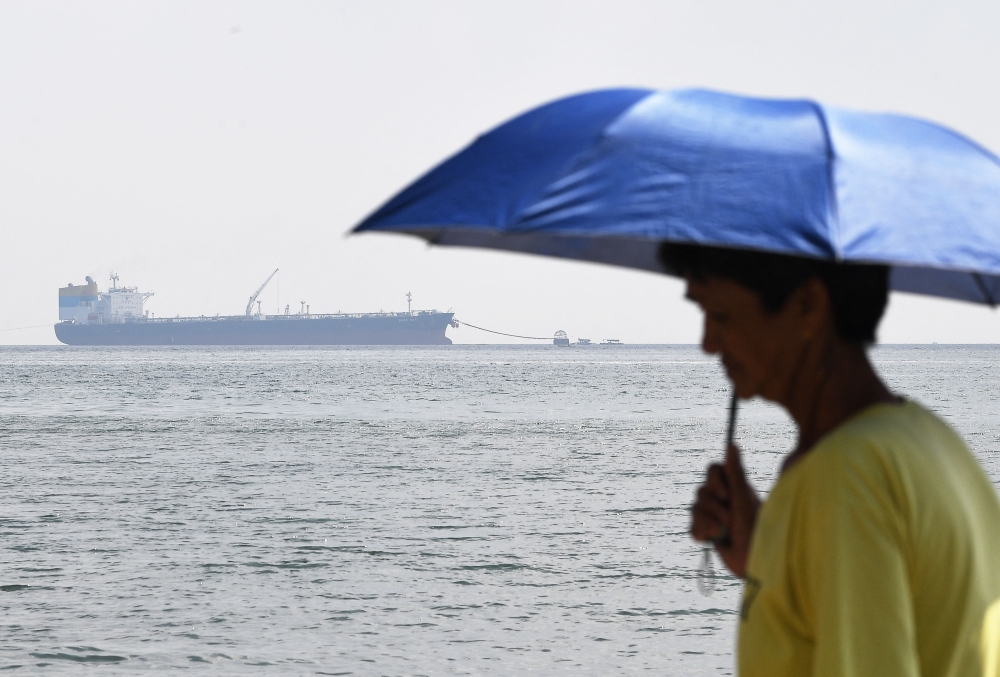
Presidential spokesperson Claire Castro later confirmed that the Russian oil purchase had indeed taken place. Meanwhile, reporters observed the Sara Sky anchored at Limay port, just outside Manila, where Petron’s refinery is located. Industry watchers believe this may be the first Russian oil shipment to the Philippines in about five years.
Petron CEO Ramon Ang had earlier acknowledged that the company was exploring the possibility of purchasing Russian crude. While he declined to confirm the shipment’s arrival directly, the development suggests that negotiations quickly moved into action as the energy situation intensified.
Speaking at a press briefing, President Marcos explained that the government is expanding its search for fuel beyond its traditional partners. The goal is to ensure the country remains prepared despite global uncertainty.
He emphasized that the Philippines is examining every possible option to secure energy supplies and protect the economy from further shocks.
A Wider Strategy to Stabilize Energy Supply
Officials from the Philippines’ foreign affairs department stated that the country is willing to work with all possible partners to maintain stability while safeguarding national interests. This reflects a balancing act between diplomacy, economic needs, and long-standing international relationships.
The United States recently relaxed certain restrictions on Russian oil transactions, allowing countries to purchase shipments already in transit until April 11. That policy shift likely played a role in making this delivery possible.
Economist Ser Pena Reyes from Ateneo de Manila University described the move as practical, noting that the shipment represents roughly two days of national oil demand. In the short term, it may help ease pressure on prices and supply.
However, Reyes also suggested that relying heavily on Russia might not be ideal over the long term due to ongoing geopolitical uncertainties. Instead, he recommends a more balanced approach that combines traditional energy partnerships, regional cooperation, and greater investment in renewable energy sources.
Emergency Measures and Future Plans
In response to the crisis, the Philippines’ Department of Energy has activated a 20-billion-peso emergency fund aimed at securing fuel supplies and protecting the country’s energy stability. Energy Secretary Sharon Garin described the move as a proactive step to ensure the nation is ready for further disruptions in the global market.
The government is also considering increasing production at coal-fired power plants to maintain electricity supply and manage rising costs. With global prices for liquefied natural gas climbing sharply, the Philippines may temporarily depend more heavily on fossil fuels despite environmental concerns.
While this approach may help stabilize energy access in the short term, it also highlights the difficult balance between energy security, economic stability, and climate responsibility.
The Human Side of an Energy Crisis
Behind the headlines and geopolitical shifts, this situation ultimately affects everyday people. When fuel prices rise, transportation becomes more expensive, businesses face higher costs, and families feel the pressure in their daily budgets. For a country made up of thousands of islands that rely heavily on imported energy, every shipment matters.
The arrival of this oil cargo represents more than just a trade decision. It reflects how nations adapt during uncertain times and how governments try to protect citizens from global disruptions they cannot control. In moments like this, energy is not just about fuel. It is about stability, livelihoods, and the future direction of a country trying to stay resilient in a changing world.