

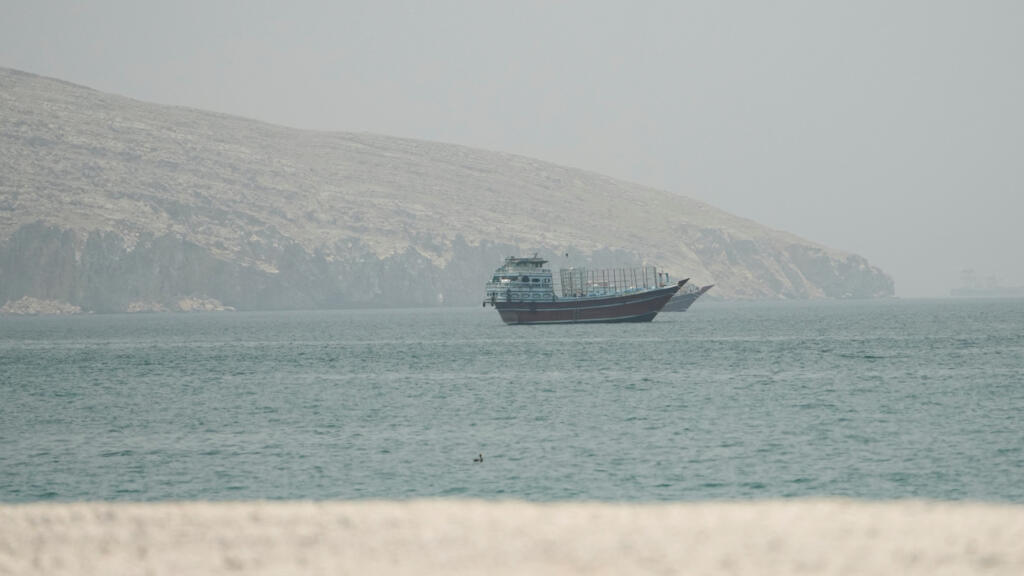
Iran’s Revolutionary Guards have issued a stern warning to vessels transiting the Strait of Hormuz, saying any ship crossing the strategic waterway without authorisation from Iran “will be dealt with.”
The statement comes as uncertainty continues over the future governance of the Strait of Hormuz, one of the world’s most important maritime trade routes and a crucial passage for global energy supplies. The narrow waterway was previously blockaded by Iran during its conflict with the United States, making it a central issue in ongoing negotiations between Tehran and Washington.
Iran has proposed introducing what it describes as maritime service fees for ships using the strait. However, the United States maintains that the Strait of Hormuz is an international waterway and that commercial vessels should not be subjected to any tolls or charges.
In their statement, the Revolutionary Guards said that the only authorised route through the strait is the one designated by the Islamic Republic of Iran. They further warned that any vessel attempting to use alternative routes without approval would be considered unacceptable and could pose serious risks.
Iran’s comments also appeared to challenge an announcement by Oman, which shares control of the Strait of Hormuz. Omani authorities recently unveiled a temporary maritime corridor near the Omani coastline, saying it had been coordinated with the International Maritime Organisation to ensure navigation safety.
Currently, the route recognised by Iran follows a corridor running close to the Iranian coast.
The Strait of Hormuz remains one of the world’s most strategically important waterways. Approximately 20 percent of global crude oil and liquefied natural gas shipments pass through the narrow passage, which measures just around 30 kilometres at its narrowest point.
A memorandum of understanding signed last week between Tehran and Washington to ease tensions stipulates that commercial vessels can transit the strait free of charge for the next 60 days. However, what happens after that period remains uncertain as negotiations continue.
Adding another layer to the discussions, Iran and Oman announced earlier this week that they would jointly examine potential costs associated with managing and administering services related to the strait.
Meanwhile, US Secretary of State Marco Rubio, during his visit to neighbouring Gulf nations, reiterated Washington’s opposition to any fees or tolls for ships using the passage.
The developments are being closely watched around the world. Any disruption in the Strait of Hormuz has the potential to affect global oil prices, energy supplies, shipping operations, and international trade. For millions of people, the decisions made in this narrow stretch of water could have far-reaching consequences, influencing everything from fuel prices to the cost of everyday goods.