
A fresh report released on April 7 by the ISEAS – Yusof Ishak Institute through its ASEAN Studies Centre has revealed a significant shift in Southeast Asia’s geopolitical outlook. The findings highlight that China has once again emerged as the region’s preferred superpower, overtaking the United States for the second time in three years.
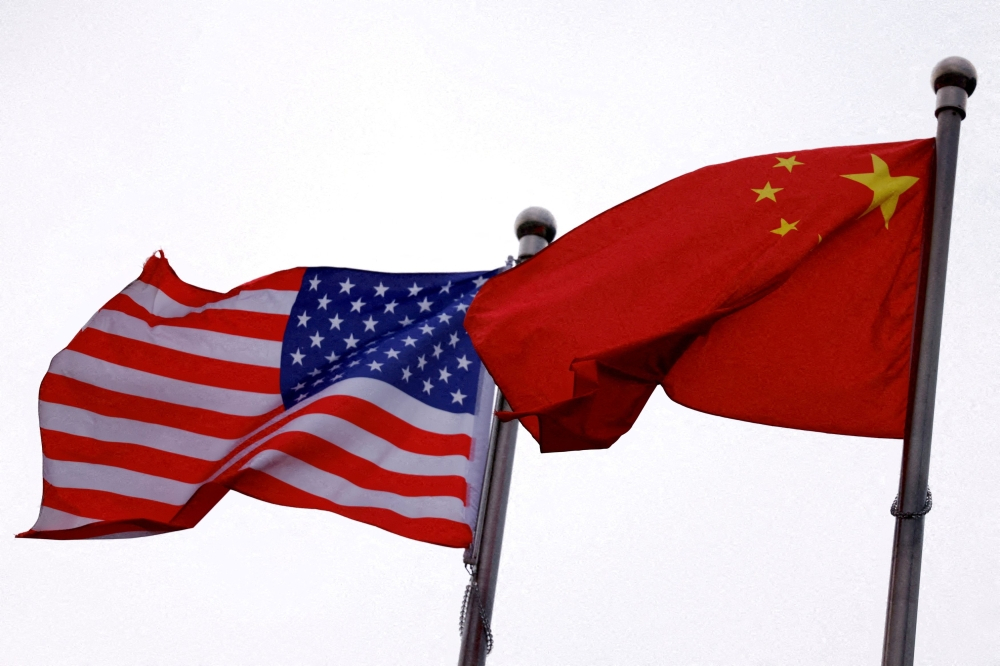
According to the widely cited “State of Southeast Asia 2026” survey, 52 percent of respondents favored China when forced to choose between the two global giants, while 48 percent leaned toward the United States. This marks a reversal from 2025, when the US held a slight edge. Interestingly, a similar trend was seen in 2024, when China narrowly led with 50.5 percent.
Despite this shift, the region is not rushing into alignment with any single power. Instead, the majority of Southeast Asian voices are calling for independence and resilience. Around 55.2 percent of respondents emphasized the importance of stronger ASEAN unity to withstand global pressure, while 24.1 percent preferred maintaining a neutral, non-aligned stance.
One of the strongest influences behind this shift appears to be growing unease around the policies of Donald Trump. His foreign policy direction has emerged as the top geopolitical concern among respondents. Economic anxieties are also rising, particularly following the implementation of global reciprocal tariffs that have impacted key regional economies such as Singapore, Indonesia, Malaysia, and Thailand.
As a result, 20.7 percent of participants now prioritize building alternative supply chains, signaling a move toward economic self-reliance and diversification.
Confidence in US relations has taken a notable hit. Negative sentiment has nearly doubled, jumping from 14.2 percent in 2025 to 29.5 percent in 2026. Among those expressing distrust, 35 percent fear that US military and economic power could threaten national sovereignty. Meanwhile, 38.5 percent believe the US should focus more on upholding international law rather than acting unilaterally.
The survey period, which ran from January 5 to February 20, coincided with significant global tensions, including US military actions in Venezuela and strikes on Iran. The situation intensified following the death of Iranian leader Ali Khamenei and the closure of the Strait of Hormuz, triggering energy shortages and price increases across parts of Southeast Asia, particularly Malaysia and Thailand.
China continues to dominate in terms of regional influence, with 55.9 percent of respondents identifying it as the most powerful economic force and 40 percent viewing it as the leading political and strategic player. However, concerns about China remain nuanced and evolving.
About 30.3 percent of respondents cited interference in domestic affairs as their primary worry, while 28 percent remain cautious about China’s actions in the South China Sea and along the Mekong River. Notably, 35.1 percent believe China could significantly improve relations by resolving territorial disputes through international law.
Amid the rivalry between China and the US, Japan has emerged as the most trusted external partner in the region, with a strong trust rating of 65.6 percent. The European Union follows in second place with 55.9 percent.
The survey gathered insights from 2,008 respondents across diverse sectors, including government, academia, media, and private businesses, providing a comprehensive snapshot of Southeast Asia’s evolving geopolitical mindset.