

Bangladesh is facing a deepening natural gas crisis that is hitting factories, workers, households and the country’s energy security, with industries forced to reduce production or shut down as gas supplies continue to fall short.
One of the clearest examples can be seen at the Ashuganj fertiliser factory, where once-busy machinery has remained silent since March 2025. The state-owned facility, located near the Titas gas field, once employed more than 1,200 people and produced over 1,000 tonnes of urea fertiliser each day.
Today, much of the site has been left idle.
“Only the skeleton of the factory remains,” said Md Bazlur Rashid, 59, who spent his entire working life at Ashuganj. For him, the closure is more than the loss of a workplace. It represents the slow disappearance of an industry that once played an important role in Bangladesh’s agricultural economy.
Ashuganj is among six major urea fertiliser plants that have either stopped production or significantly restricted operations because of inadequate gas supplies.
The impact is also being felt by workers. Trade union leader Md Abu Kawsar warned that prolonged shutdowns are costing people their jobs while placing additional pressure on an industry directly connected to the country’s food security.
But Bangladesh’s gas shortage is no longer an issue limited to fertiliser factories.
A crisis spreading across industries
Hundreds of factories, including textile and garment manufacturers, are cutting production or temporarily shutting down because they cannot secure sufficient energy supplies.
That creates a serious economic concern for Bangladesh, one of the world’s biggest garment-exporting nations. The garment industry contributes roughly 80 percent of the country’s export earnings, meaning continued energy shortages could have consequences far beyond individual factories.
The problem is also affecting electricity generation.
Gas-fired power plants are struggling to maintain adequate supplies, contributing to recurring electricity outages. The government has introduced energy-saving measures, including asking shopping malls to close earlier, as authorities attempt to manage demand.
For ordinary households, the crisis has become part of everyday life.
Families are feeling the pressure
Residents living near Ashuganj say piped gas can disappear for hours, particularly overnight, while low pressure can make even basic cooking difficult.
Nargis Begum, a 50-year-old housewife, described the frustration of having gas disappear completely or arrive at such low pressure that two cooking burners cannot be used at the same time.
In some rural communities, households have returned to wood-burning stoves. At the same time, electricity outages are making life increasingly uncomfortable during Bangladesh’s hot and humid weather.
For families already dealing with rising living costs, unreliable gas and electricity add another burden.
The shortages have also triggered protests. Gas-powered rickshaw drivers have blocked roads after spending hours waiting for fuel, highlighting how the energy crisis is affecting workers whose daily income depends directly on access to fuel.
Years of declining gas production
Bangladesh’s current difficulties have been building for years.
The country was largely self-sufficient in natural gas in 2018, but production has declined as older gas fields have become depleted. Meanwhile, demand has continued to rise.
Imports, including liquefied natural gas from countries such as Qatar, have helped fill the gap, but dependence on imported energy has also exposed Bangladesh to international disruptions.
Energy Minister Iqbal Hasan Mahmud Tuku has blamed the previous government for failing to invest sufficiently in new gas exploration and drilling.
Experts argue that increasing production from existing fields could provide some relief, but new exploration will ultimately be necessary to address the country’s long-term energy needs.
Global tensions have made the problem worse
Bangladesh’s reliance on imported LNG has left the country vulnerable to disruptions in international energy markets.
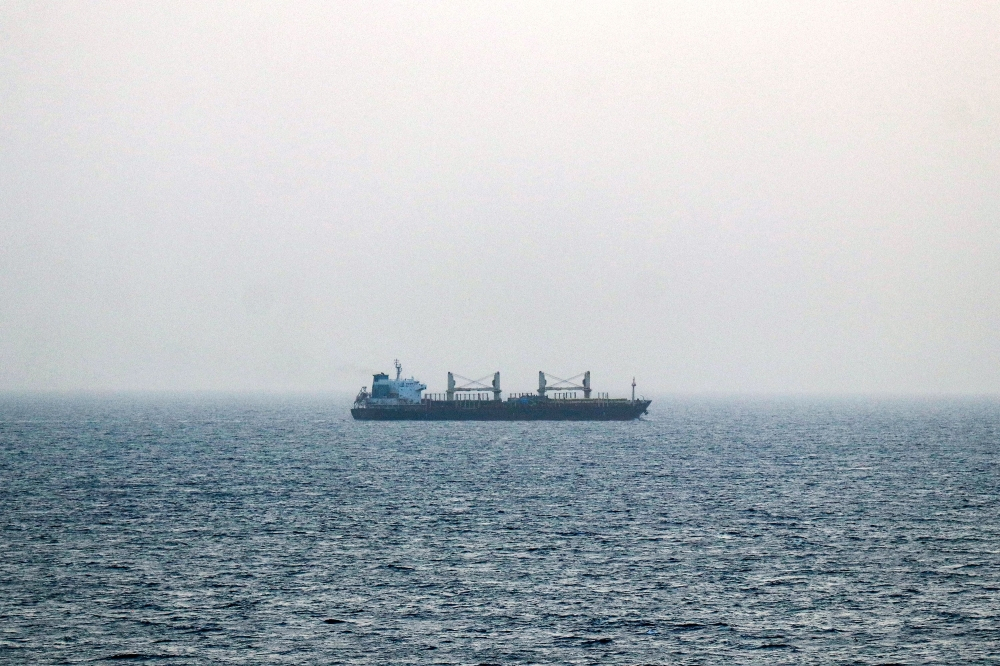
The conflict in the Middle East has affected LNG shipments, while disruptions around the Strait of Hormuz have created additional uncertainty for energy supplies.
Bangladesh has also faced problems with infrastructure used to process imported LNG. A floating storage and regasification unit temporarily stopped operations because of a technical issue, further tightening supplies.
With industries already struggling, there is little room for prolonged disruptions.
Can new gas exploration provide an answer?
Bangladesh has offshore gas potential, but developing new fields is neither immediate nor inexpensive.
Dhaka University geology professor Md Anwar Hossain Bhuiyan said production could potentially be increased from existing fields, but new wells will be essential for a sustainable solution.
The government has announced plans to purchase two drilling rigs and has launched an offshore bidding round as part of its efforts to strengthen domestic exploration.
At the same time, Bangladesh continues to purchase LNG and invest in infrastructure designed to increase import capacity.
But energy officials increasingly acknowledge that gas alone cannot be the country’s long-term answer.
Petrobangla chairman Md Abdul Mannan has pointed toward renewable energy as the ultimate solution to Bangladesh’s energy challenges, although the transition will take time.
Bangladesh’s energy crisis is becoming a human crisis
Behind the statistics are factories that are no longer producing, workers who are losing income, families struggling to cook, students trying to study during blackouts and businesses trying to survive unpredictable energy supplies.
A gas shortage may sound like an industrial problem on paper, but its consequences reach directly into people’s homes and livelihoods.
Bangladesh now faces a difficult choice: continue relying heavily on imported gas while expanding domestic exploration, or accelerate the transition toward renewable energy and build a more resilient energy system.
The challenge is not simply about keeping factories running. It is about protecting jobs, supporting food production, maintaining exports and ensuring that ordinary families can cook, work and live without constantly wondering when the next outage will come.
And perhaps that is what makes the crisis most human: when energy disappears, it is not just machines that stop. People’s plans, incomes and everyday lives can come to a standstill too.