
Travel plans across Thailand and several international destinations have been thrown into further uncertainty after Thai Airways International cancelled another 37 domestic and international flights as the airline struggles to recover from severe flooding-related disruption at Bangkok’s Suvarnabhumi Airport.
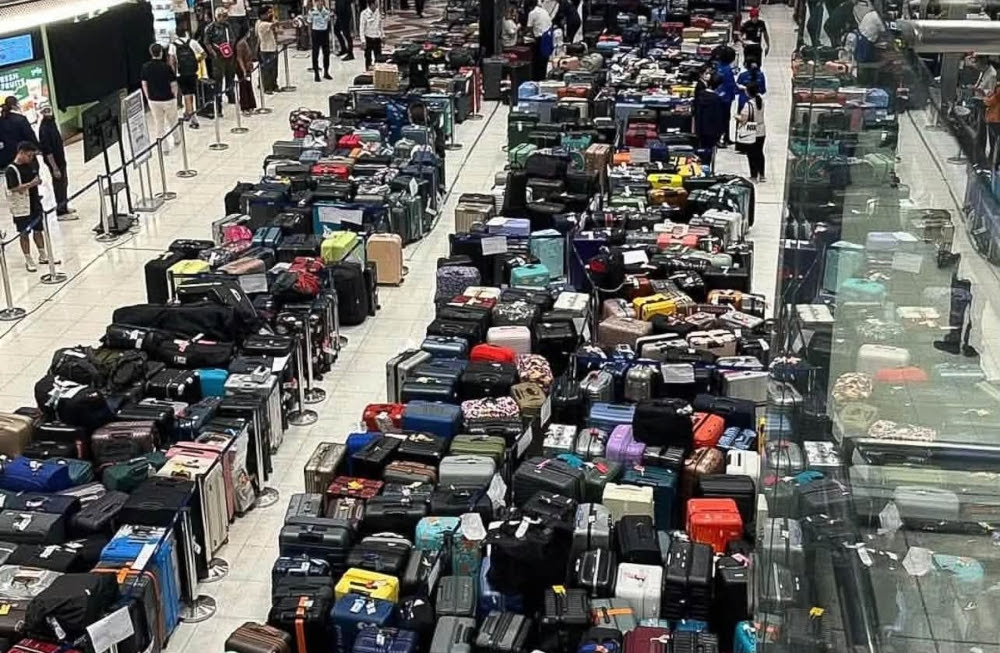
The latest cancellations, covering services scheduled from September 29 through October 1, come as Thai Airways works to deal with a massive baggage backlog that has left thousands of passengers waiting for their belongings. The airline has already cancelled 59 flights since flooding began affecting Bangkok on September 26, while many other services have faced significant delays.
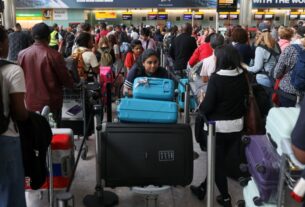
For passengers, the disruption has become about much more than a delayed flight. Many have been left wondering when they will reach their destination and, just as importantly, when they will be reunited with their luggage. Reports from Suvarnabhumi have described long waits and crowded areas as travellers search for information about missing or delayed baggage.
Thai Airways chief executive Chai Eamsiri has apologised to passengers as the scale of the disruption became clearer. The airline says the flooding prevented hundreds of employees from reaching Suvarnabhumi and Don Mueang airports, seriously affecting baggage sorting, ground handling and other essential operations. Around 5,600 pieces of baggage were reported to be caught in the backlog.
The situation has also highlighted how quickly extreme weather can affect an airport even when the airport itself remains operational. Bangkok received exceptionally heavy rainfall over several days, creating widespread flooding and making it difficult for airport employees to reach their workplaces. Thai Airways has brought in additional personnel and outside support as it attempts to restore normal ground operations and process the accumulated luggage.
The newly cancelled services include five international flights on September 29, with destinations including Dhaka, Seoul, Bengaluru, Sapporo and New Delhi.
On September 30, the airline cancelled seven domestic services serving destinations such as Phuket, Chiang Mai, Khon Kaen, Ubon Ratchathani and Udon Thani. Another 21 international services were also cancelled, affecting routes to cities including Munich, Brussels, Copenhagen, Zurich, Amsterdam, London, Frankfurt, Hong Kong, Taipei, Osaka, Seoul, Tokyo, Kuala Lumpur, Singapore, New Delhi, Mumbai, Sydney and Manila.
Further disruption is expected on October 1, when four international services to Paris, Brussels, Milan and Stockholm are scheduled to be cancelled. The airline has not yet provided a firm timetable for a complete return to normal operations.
Thai Airways has said it is reducing its Bangkok flight capacity while concentrating on stabilising ground operations and clearing the baggage backlog. The airline has also been working with additional logistics and transport support to move stranded luggage and assist passengers affected by the disruption.
For travellers, the situation is a reminder that checking a flight status before heading to the airport is especially important during severe weather disruptions. Passengers whose journeys involve Bangkok should also keep an eye on official Thai Airways updates and allow additional time for possible changes to schedules and baggage delivery.
Behind every delayed suitcase is a traveller waiting for clothes, medication, documents, work equipment or personal belongings they may urgently need. And behind every cancelled flight is a person whose holiday, business trip, family visit or connecting journey may suddenly have to be rearranged.
As Bangkok continues recovering from the flooding, Thai Airways faces the difficult task of getting its aircraft schedules, baggage operations and passenger services back on track. For thousands of travellers, the immediate priority is simple: clear the backlog, communicate clearly and get people and their belongings moving again.