
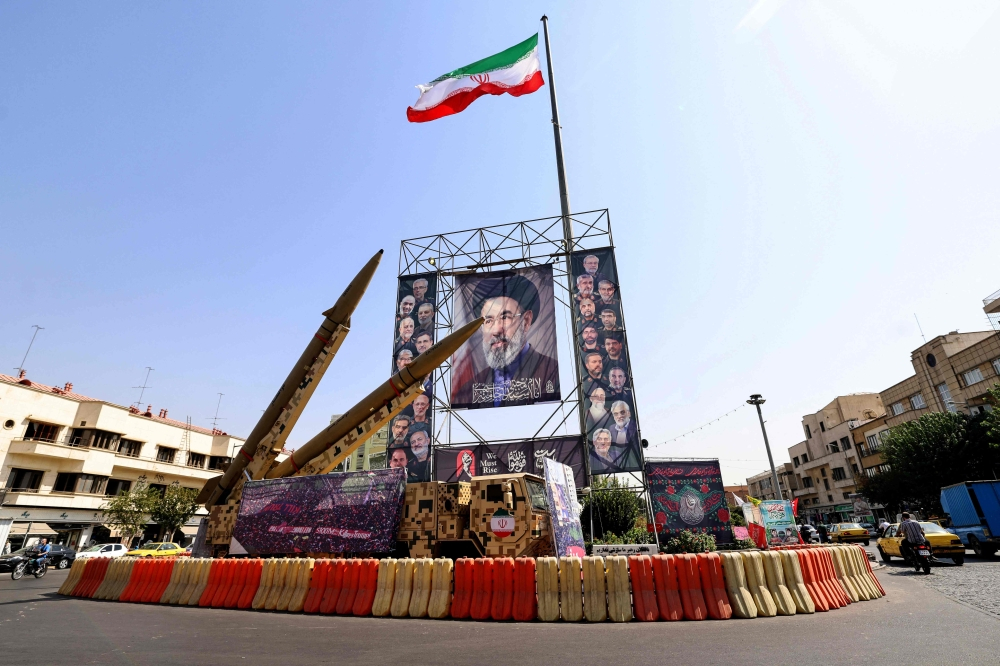
Iran’s Supreme Leader Mojtaba Khamenei has said the United States will eventually be forced to leave the Middle East, claiming that Washington has already suffered what he described as “painful blows” during the ongoing regional conflict.
The comments were made in a written statement carried by Iranian state television on Monday. Khamenei, who has not appeared publicly since the war began in late February, made the remarks as diplomatic efforts continue to explore possible ways to bring the fighting to an end.
In his statement, Khamenei referred to the United States and its allies as “enemies” without directly naming Washington. He said they had faced resistance from what he described as Iranian fighters and forces responsible for protecting the Strait of Hormuz.
“Today, having suffered painful blows at the hands of valiant fighters and the guardians of the Strait of Hormuz,” the statement said, referring to the United States, “they do not venture beyond the Arabian Sea.”
Khamenei further claimed that any attempt by US forces to move into the area would carry consequences for them. He said he believed it would not be long before the Arabian Sea was also free of their presence.
The remarks come as tensions surrounding the Strait of Hormuz remain at the centre of the wider conflict. The strategically important waterway connects the Persian Gulf with the Gulf of Oman and the Arabian Sea and plays a major role in the movement of global energy supplies.
Before the conflict began, the Strait of Hormuz was one of the world’s most important energy corridors, with roughly one-fifth of global oil and gas supplies passing through the route. Any prolonged disruption has therefore raised concerns about international energy markets, shipping and regional stability.
Iran and the United States have been involved in an increasingly tense confrontation over control and access around the waterway since the conflict began following US and Israeli strikes on Iran in February.
Tehran subsequently imposed a blockade affecting traffic through the Strait of Hormuz, while Washington responded with measures targeting Iranian ports. The developments have increased pressure on an already fragile regional security situation.
Khamenei’s latest statement also comes at a sensitive diplomatic moment. While efforts to revive negotiations continue, the conflicting positions of Iran and the United States have made a wider settlement difficult.
For countries far beyond the Middle East, the situation is being closely watched because any sustained disruption around the Strait of Hormuz could have consequences for energy prices, international shipping and supply chains.
The latest comments underline how deeply contested the region remains and how closely military developments, diplomacy and global trade are now connected. As negotiations continue alongside the conflict, the future of the Strait of Hormuz is likely to remain an important factor in the wider regional crisis.
Source: AFP