
Italy is preparing a new set of school measures that could reshape how migration, integration and religious clothing are handled in classrooms.
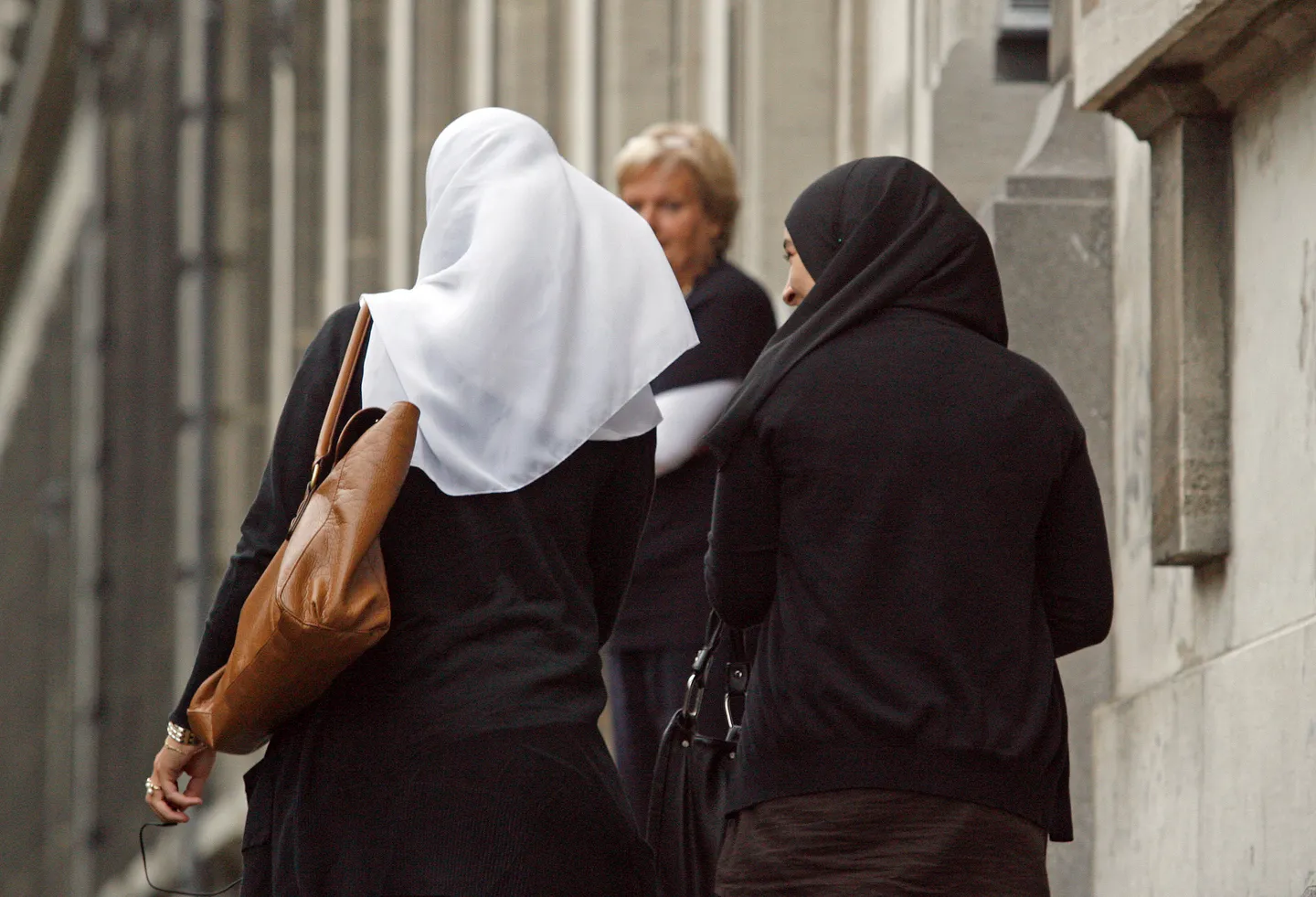
Prime Minister Giorgia Meloni announced on September 20 that her government intends to introduce legislation setting a legal maximum on the number of foreign students who can be placed in a classroom. She also said the planned measure would prohibit the burqa and hijab in schools and could require some foreign parents to learn Italian when their children are experiencing serious difficulties integrating into the education system.
Speaking at Fenix, a national youth event organised by the youth wing of Meloni’s Brothers of Italy party, the prime minister argued that Italian children should not feel like a minority in their own classrooms. Her comments presented the proposed changes as part of a broader effort to address integration and the challenges faced by schools with large numbers of students from immigrant backgrounds.
The exact number of foreign students that would be permitted in each classroom has not yet been formally established in the announced legislation. Italy has previously had a 30 percent guideline concerning foreign students in classrooms, but Education Minister Giuseppe Valditara said earlier this month that the existing rule had not been effectively implemented and that the government wanted a clearer legal framework.
The proposal is already generating questions about how such a limit would work in practice. School leaders have pointed out that families generally attend schools in their local areas, meaning schools cannot simply refuse children because a particular neighbourhood has a high concentration of foreign families. Antonello Giannelli, president of Italy’s National Association of School Principals, said finding a practical solution could be difficult while also respecting access to nearby schools.
The government’s proposed restrictions on religious clothing are another significant part of the announcement. ANSA reported that Meloni referred to a ban on the burqa and hijab in schools, while other international reports have described the proposal primarily in terms of restrictions on face-covering garments such as the burqa and niqab. The precise legal wording of the final measure will therefore be important to watch as the proposal moves forward.
Meloni has also connected the school proposal with language integration. Under the announced plan, parents of foreign students experiencing serious integration difficulties could be required to learn Italian. The government says stronger language skills could help families participate more effectively in school life and support children’s integration.
Italy’s debate comes amid wider European discussions over religious symbols, migration and neutrality in public institutions. In 2023, the Court of Justice of the European Union ruled that public authorities can, under certain conditions, adopt policies restricting visible signs of religious belief for employees in order to maintain an officially neutral administrative environment. The court also stressed that such measures must pursue a legitimate objective consistently and be limited to what is necessary.
For families, however, the issue is much more personal than a government policy announcement. A classroom is where children learn languages, build friendships and encounter people from different backgrounds. Any new rule affecting who can attend a particular school, what students can wear or what parents must learn is likely to have consequences that reach far beyond the wording of legislation.
Italy’s proposed measures now move into a stage where the details will matter. The government is expected to bring the proposal before the Council of Ministers, but the final rules, their implementation and their legal framework will determine how significantly Italian schools actually change.
For now, this is a proposal rather than a fully implemented nationwide ban or student quota. The coming legislative process will determine exactly what restrictions are adopted, how foreign-student limits are calculated and how schools are expected to apply the rules.
At the heart of the debate is a difficult question facing many education systems: how can schools support integration and a shared language while also serving increasingly diverse communities? Italy’s next steps will show how the government chooses to answer it.