
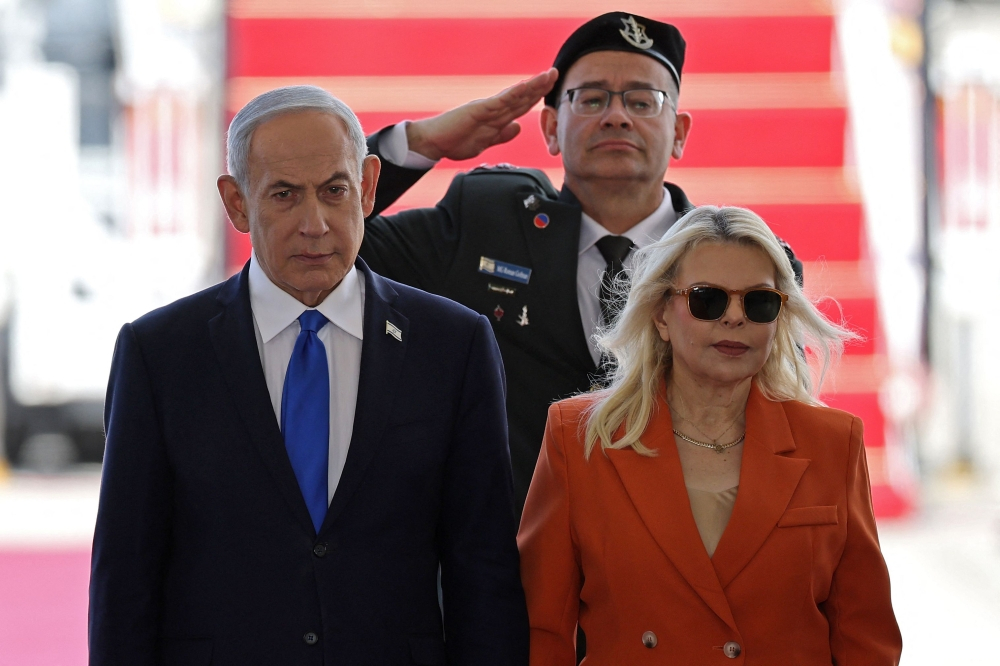
Israeli Prime Minister Benjamin Netanyahu has made a fresh and serious accusation over the failures surrounding Hamas’s October 7, 2023 attack, claiming that senior security officials deliberately chose not to wake him as the assault was unfolding.
Speaking during a live Instagram interview on Tuesday, Netanyahu argued that officials knew exactly how he would respond if he had been alerted earlier. According to the prime minister, he would have immediately ordered the military to raise its alert level and take steps to protect communities along the Gaza border.
“Why didn’t they wake me?” Netanyahu asked during the interview, arguing that the decision prevented him from taking action at a critical moment.
Netanyahu has previously said that he was not awakened during the early hours of the attack. However, his latest comments go further, suggesting that the decision was intentional rather than simply the result of confusion, misjudgment or a failure in communication.
The prime minister has increasingly faced questions over who should be held responsible for the security failures that allowed the October 7 attack to unfold. The issue remains deeply divisive in Israel, particularly as the country moves toward closely contested elections later this year.
Netanyahu points to military leadership
Netanyahu repeated similar accusations in a podcast interview released on Monday, directing blame toward senior military leadership and Ronen Bar, who was serving as head of Israel’s Shin Bet security service at the time.
He claimed that officials avoided waking him because they feared that doing so could lead to a military escalation with Hamas.
Netanyahu also argued that officials underestimated the possibility of a major attack.
“They didn’t believe Hamas would attack,” he said, adding that they knew what his response would have been had he been informed.
The accusations have added another layer to an already intense debate over the events leading up to October 7 and the decisions made by Israel’s political and security leadership.
Sara Netanyahu faces backlash over Yair Golan claim
The prime minister’s comments came shortly after his wife, Sara Netanyahu, made a separate and highly controversial claim involving opposition politician Yair Golan.
In a television interview broadcast on Israel’s Channel 14, Sara Netanyahu alleged that Golan knew about the Hamas attack before it happened and suggested that he had been prepared to act while others, including the prime minister, remained unaware.
The accusation triggered an immediate response from Golan, a former deputy military chief of staff and leader of the centre-left Democrats party.
Golan has strongly rejected the allegation and threatened legal action against Sara Netanyahu. He said he would seek compensation of 2.5 million shekels, with the money to be donated to survivors of the Nova music festival, unless an apology was issued.
Golan was among those who rushed toward southern Israel after learning about the attack on October 7. He went to the area of the Nova music festival, where hundreds of people were killed, and helped rescue people caught in the assault.
He accused Sara Netanyahu of attempting to rewrite the history of October 7 by portraying people who responded to the attack as traitors.
Golan’s political party also condemned the remarks, describing the accusations against him as an attack on his actions during the crisis.
Political tensions deepen
The dispute has now moved beyond questions about security failures and into a wider political confrontation over how October 7 should be remembered and who should ultimately bear responsibility.
Gadi Eisenkot, a former Israeli army chief and a prominent potential challenger to Netanyahu in the upcoming election, criticized what he described as a conspiracy narrative surrounding the attack.
The debate reflects a wider divide within Israeli society. Polling reported by Channel 13 in August found that 40 percent of Israelis surveyed, including 63 percent of supporters of the current right-wing coalition, believed that internal betrayal played a role in the October 7 attack.
Those claims remain highly controversial and have become part of a broader political argument over the country’s biggest security failure in decades.
The human cost remains at the centre
Behind the political accusations is the enormous human cost of the October 7 attack and the war that followed.
Hamas-led militants killed more than 1,200 people in Israel and took 251 hostages into Gaza, according to figures cited from Israeli authorities. The attack triggered Israel’s large-scale military campaign in Gaza, where tens of thousands of Palestinians have since been killed, according to Gaza’s health authorities.
As political leaders continue to argue over warnings, decisions and responsibility, the central question remains painfully human: could more lives have been saved if different decisions had been made that morning?
Netanyahu’s latest allegations are likely to intensify that debate rather than settle it. For many families affected by October 7, accountability is not simply a political talking point. It is a question tied to loss, unanswered questions and the search for an explanation of how such a devastating attack was able to happen.
The accusations made by Netanyahu and his wife remain contested, and the continuing political battle over October 7 shows how deeply the events of that morning continue to shape Israel’s national conversation.
Source: AFP