
The United States has announced a major escalation in its ongoing conflict with Iran, following the breakdown of critical ceasefire negotiations. After more than 21 hours of face-to-face discussions in Islamabad, both sides failed to reach an agreement, leaving the fragile truce hanging by a thread.
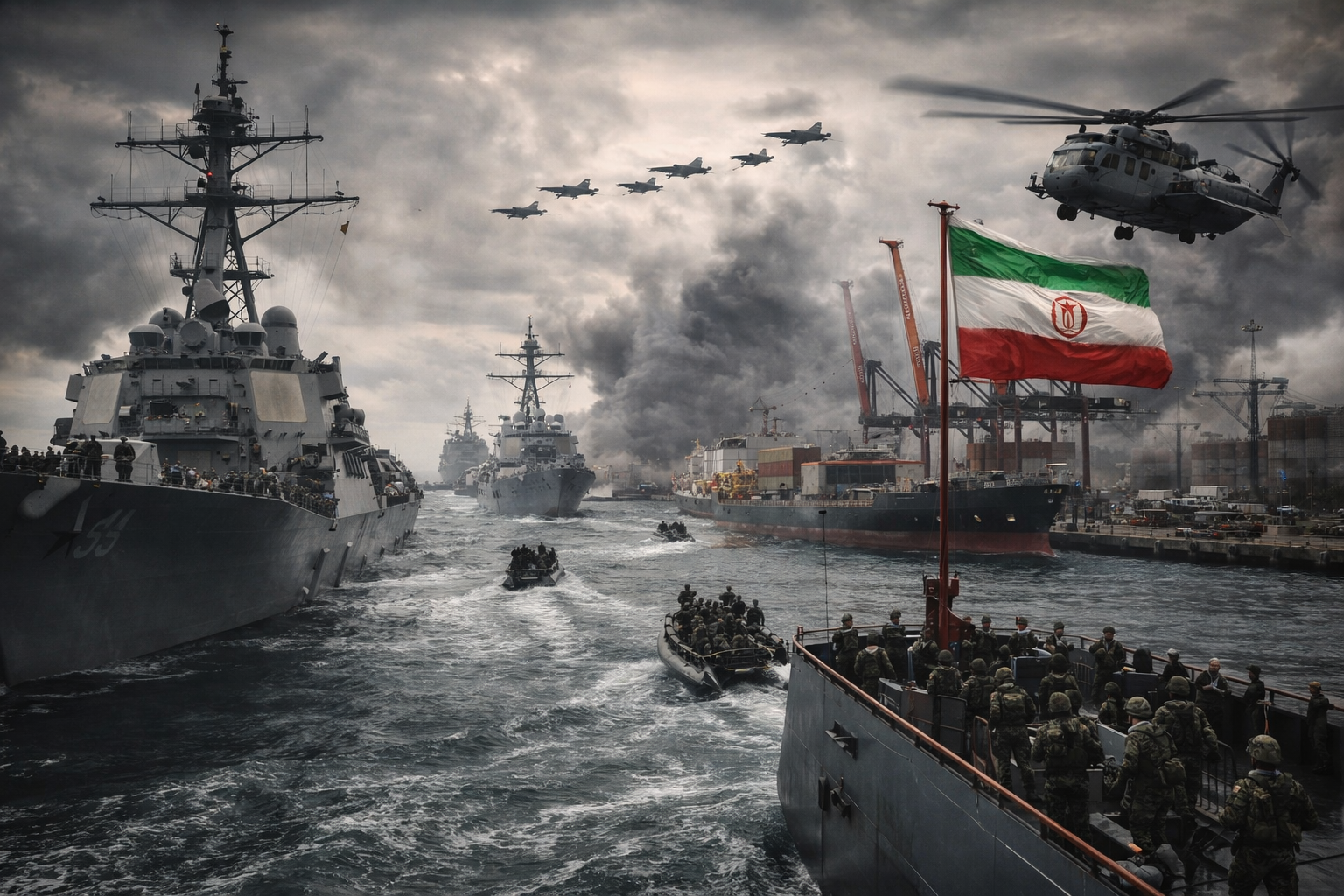
In response, President Donald Trump confirmed that the US Navy would begin enforcing a blockade targeting ships entering or leaving Iranian ports via the Strait of Hormuz. The operation, led by US Central Command, is set to begin Monday at 10 am EDT. Officials clarified that the move will apply to vessels from all nations, though ships traveling between non-Iranian ports will still be allowed to pass through the strategic waterway.
This development marks a serious turning point in a conflict that has already lasted seven weeks, claimed thousands of lives, and disrupted global markets.
Despite diplomatic efforts, tensions appear to be rising. President Trump indicated that he is not concerned about whether Iran returns to negotiations, signaling a hardened stance from Washington. He also reiterated strong opposition to Iran’s nuclear ambitions, stating firmly that the country will not be allowed to develop nuclear weapons.
Meanwhile, political tensions extended beyond the battlefield. Trump publicly criticized Pope Leo XIV after the pontiff called for peace and condemned the growing intensity of the conflict. The exchange reflects a widening divide in global perspectives on the war.
On the ground, the impact of the blockade is already being felt. Maritime intelligence reports suggest that ship traffic through the Strait of Hormuz has come to a near halt, with some vessels turning back after the announcement. This waterway is one of the most critical oil transit routes in the world, and any disruption carries significant global consequences.
Energy analysts warn that oil prices could rise sharply as a result. With millions of barrels already affected by the ongoing conflict, the blockade could tighten supply further, potentially driving prices up by an additional $5 to $10 per barrel.
Iran, on its part, has accused the United States of derailing what it described as constructive negotiations. Officials claim they approached talks in good faith, only to face shifting demands and increased pressure tactics.
Security experts remain skeptical about the long-term effectiveness of the blockade. Some argue that Iran may be more resilient than expected, and prolonged disruption could harm the global economy more than it pressures Tehran.
At the same time, violence continues to spread across the region. In Lebanon, a drone strike reportedly hit a Red Cross unit, resulting in the death of a paramedic. Incidents like this highlight the broader humanitarian cost of the conflict, extending far beyond political and military calculations.