
Senior officials from France, Saudi Arabia, and the United States are set to meet today in Paris with the head of the Lebanese army, in an effort to finalize a practical roadmap for the disarmament of Hezbollah, according to diplomatic sources. The discussions come at a critical moment, as concerns grow that the already fragile ceasefire between Israel and Lebanon could collapse.
Israel and Lebanon reached a U.S.-brokered ceasefire agreement in 2024, bringing an end to more than a year of intense clashes between Israel and the Iran-backed Hezbollah group. While the fighting subsided, the aftermath has been marked by rising tensions, mutual accusations of violations, and deep mistrust. Israel has repeatedly questioned the Lebanese army’s ability and willingness to dismantle Hezbollah’s military capabilities.
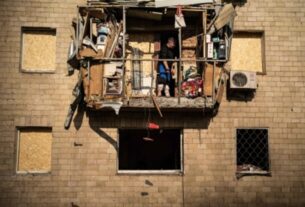
In recent months, Israeli warplanes have carried out a series of strikes targeting Hezbollah positions, not only in southern Lebanon but also near the capital, Beirut. These actions have intensified fears that the ceasefire is hanging by a thread.
Ceasefire Under Strain
Diplomats say the Paris meeting is designed to strengthen the ceasefire framework by introducing clearer mechanisms to identify, support, and verify Hezbollah’s disarmament. At the same time, officials hope the talks will help deter Israel from further military escalation.
Four European and Lebanese diplomats told Reuters that political uncertainty in Lebanon is complicating the situation. With legislative elections scheduled for 2026, there are growing worries that internal divisions, political paralysis, and sectarian sensitivities could undermine any serious push toward disarmament. These dynamics may also limit President Joseph Aoun’s willingness to take firm public action on the issue.
“The situation is extremely precarious, full of contradictions, and it wouldn’t take much to ignite it,” said a senior official, speaking anonymously.
Another diplomat noted that President Aoun is treading carefully. Making the disarmament process too visible, they said, could inflame tensions with the Shi’ite community in southern Lebanon, where Hezbollah maintains strong support.
Given the Lebanese army’s limited capacity to dismantle Hezbollah on its own, diplomats suggested reinforcing the existing ceasefire mechanism. This could involve French, American, and possibly other international military experts working alongside United Nations peacekeeping forces.
Looking ahead, officials are considering organizing two major conferences early next year: one to strengthen and support the Lebanese army, and another focused on reconstruction efforts, particularly in southern Lebanon, which has suffered extensive damage.
Israeli Strikes Continue
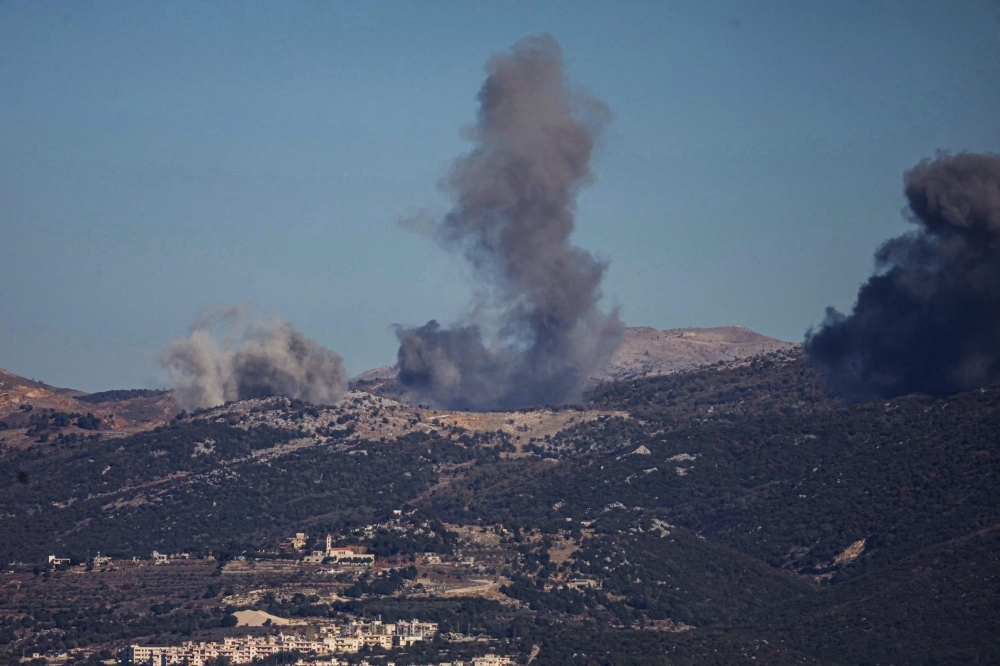
As the Paris talks were getting underway, Israeli airstrikes reportedly hit several towns in southern Lebanon and parts of the Bekaa Valley, according to Lebanon’s state news agency, NNA. The Israeli military said it targeted Hezbollah facilities, including a training compound, weapons storage sites, and artillery launch areas. Israel described these activities as violations of existing understandings and a direct threat to its security.
The Israeli army also confirmed striking a Hezbollah militant near Taybeh in southern Lebanon.
Reacting to the attacks, Lebanese parliament speaker and Hezbollah ally Nabih Berri said the strikes amounted to an “Israeli message” directed at the Paris conference, according to NNA.
A Moment That Could Shape Lebanon’s Future
Beyond military calculations and diplomatic language, what is unfolding in Paris could shape the future stability of Lebanon and the wider region. For ordinary Lebanese citizens already burdened by economic hardship, political uncertainty, and years of conflict, the stakes are painfully real. Whether these talks lead to meaningful progress or simply delay another round of violence may depend on trust, restraint, and the willingness of all sides to prioritize peace over provocation.