
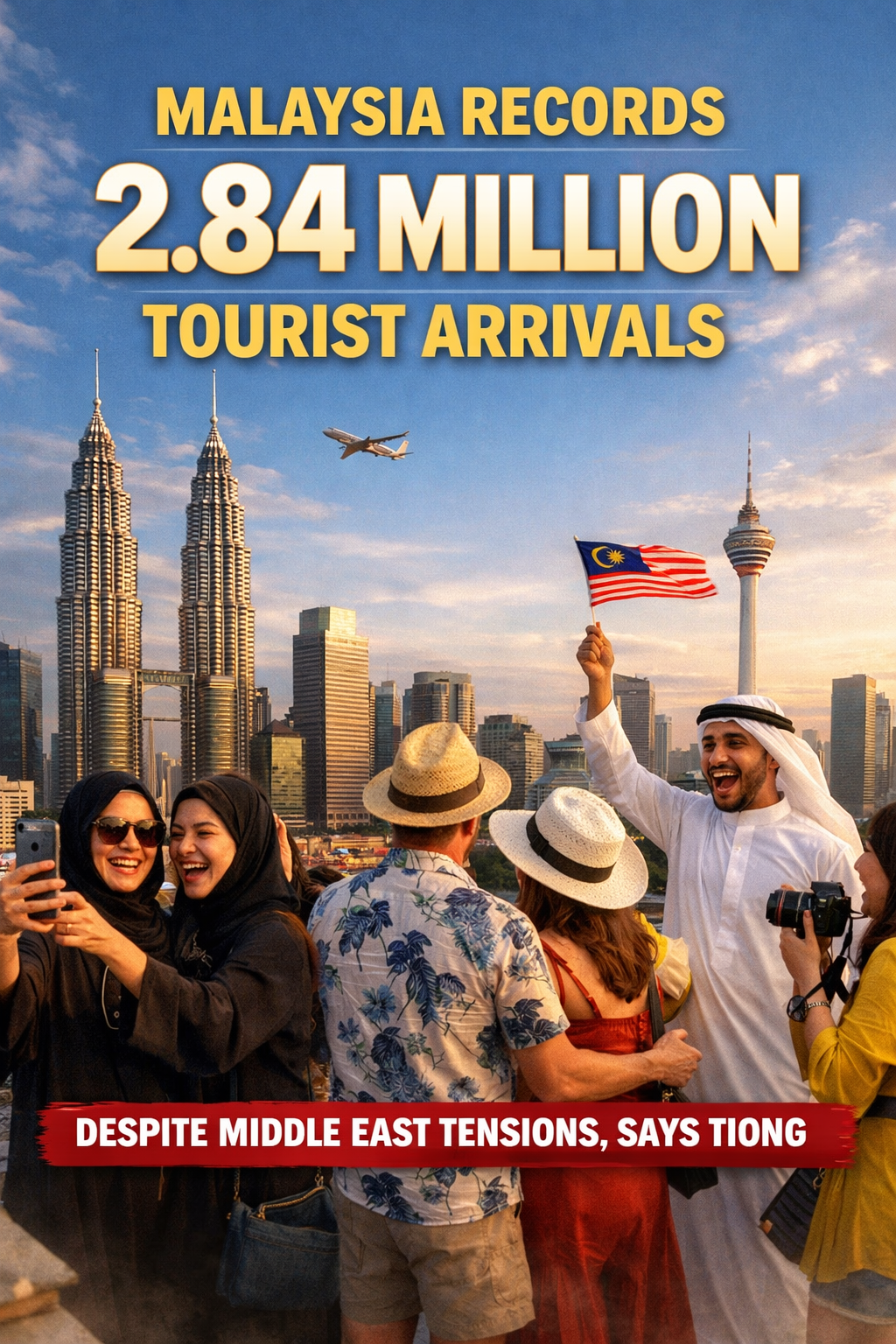
Malaysia’s tourism sector continues to show remarkable resilience, welcoming 2,835,724 international visitors between March 1 and March 26 this year. This marks a 2.4 percent increase compared with 2,769,305 arrivals during the same period last year, proving that global uncertainty has not slowed the country’s appeal as a travel destination.
According to Tourism, Arts and Culture Minister Tiong King Sing, the latest figures reflect how Malaysia remains attractive to travelers even as geopolitical tensions in the Middle East evolve and affect some travel patterns worldwide.
The strongest contribution came from the Asean region, which recorded 2,093,096 arrivals, reflecting a steady 0.6 percent year-on-year increase. Neighboring countries continue to play a crucial role in sustaining Malaysia’s tourism momentum, thanks to regional connectivity, cultural ties, and accessible travel routes.
East Asia also delivered impressive growth, with 407,171 visitors, representing a 12.8 percent rise compared to last year. A significant driver behind this growth is the surge in travelers from China, which increased by 22.7 percent, signaling renewed confidence in regional travel and tourism exchanges.
Meanwhile, South Asia recorded 123,270 arrivals, showing only a slight 0.4 percent decline, suggesting relatively stable travel interest from the region despite global uncertainties.
However, not all regions followed the same trend. Tourist arrivals from the Middle East experienced a sharp drop of 40.3 percent, totaling 4,398 visitors, largely influenced by ongoing geopolitical tensions affecting travel decisions and regional mobility.
Other regions, however, continued to bring encouraging results. Central Asia recorded 6,569 arrivals, reflecting a 21 percent increase, while Europe contributed 124,824 visitors, growing by 5.2 percent. Oceania also saw a strong rise, welcoming 33,127 travelers, a 20.2 percent increase compared with last year.
On the other hand, Africa recorded 7,165 arrivals, a 7.5 percent decline, while the Americas registered around 36,099 visitors, showing a small 0.4 percent drop.
Despite the mixed regional performance, the overall outlook remains positive. The minister emphasized that the data clearly demonstrates how Malaysia’s tourism industry continues to be supported by strong growth in key markets, particularly across Asia and within Asean.
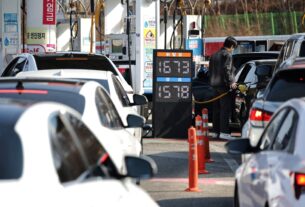
He also reaffirmed that Malaysia remains a safe, stable, and welcoming destination for travelers, while the ministry continues to collaborate closely with tourism industry stakeholders to manage operational challenges. Among the issues being addressed are rising costs related to fuel and diesel, which impact travel operators and tourism services.
Industry players have been encouraged to share detailed feedback and data, especially comparisons of cost structures before and after the current global situation. Such insights will help the government develop more effective policies and support mechanisms for the tourism ecosystem.
At the same time, there is also a call for responsibility from all parties, especially in the digital era where information spreads quickly. The minister urged the public and industry stakeholders to avoid sharing misinformation, rumors, or unverified narratives that could weaken public confidence in the country’s economy and tourism sector.
The government, under the leadership of Anwar Ibrahim, remains focused on protecting national interests and maintaining economic stability. Ensuring that tourism continues to thrive is seen as an important pillar of Malaysia’s broader economic resilience.