

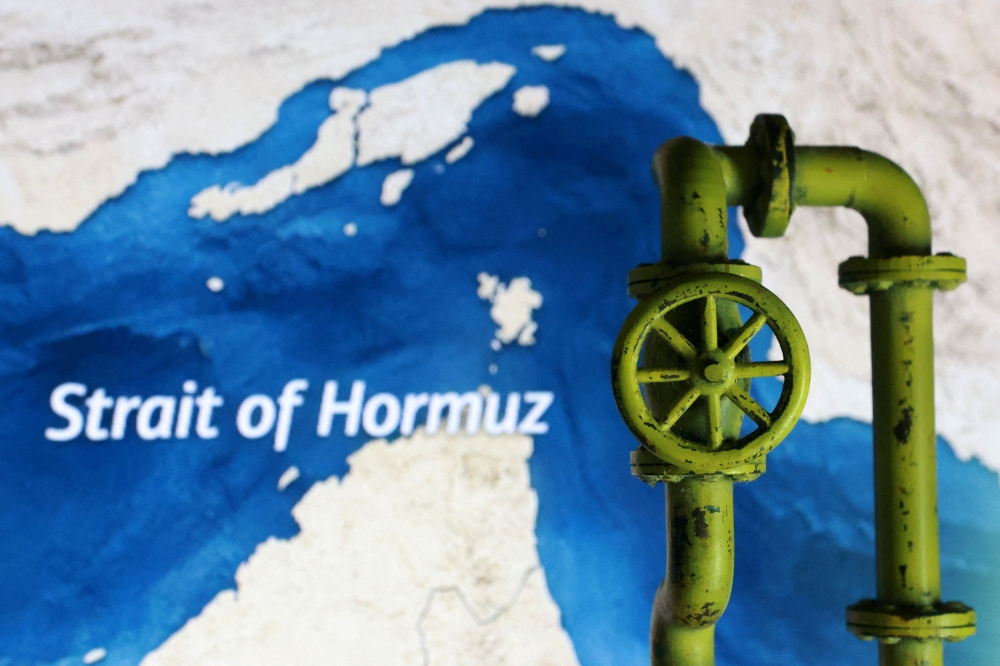
The situation surrounding the Strait of Hormuz has taken a serious turn, as Iran signals that changes to this critical global shipping route may not be temporary—but long-lasting.
Iran’s elite military force, the Islamic Revolutionary Guard Corps (IRGC), announced that it is finalizing preparations to implement new operational conditions in the region. This move comes as tensions continue to rise amid the ongoing conflict involving the United States and Israel.
In a recent statement shared on social media, the IRGC naval forces emphasized that they are moving forward with what they described as a “new Persian Gulf order.” The message was clear—things will not return to how they once were, especially for nations like the US and Israel.
This development follows renewed warnings from Donald Trump, who threatened potential strikes on Iranian infrastructure, including power plants and bridges, if the waterway is not reopened fully.
Since the conflict began on February 28, Iran has significantly restricted movement through the strait, allowing only limited maritime traffic. This has created a ripple effect across global markets, as nearly 20 percent of the world’s oil and gas supply typically passes through this narrow yet vital route.
Efforts to de-escalate the situation are underway. Oman has stepped in as a mediator, with reports confirming recent discussions between Iranian and Omani officials aimed at easing navigation through the strait. However, progress remains uncertain as tensions persist.
Adding another layer of complexity, Iranian lawmakers have proposed introducing tolls and taxes for vessels passing through the waterway. If implemented, this could reshape not only regional trade dynamics but also the broader global energy landscape.