

The Congress on Tuesday strongly criticized the government, alleging that it has turned its back on the Palestinians while Prime Minister Narendra Modi prepares for his upcoming visit to Israel amid ongoing violence in Gaza.
Congress general secretary in-charge of communications, Jairam Ramesh, accused the Modi government of making “cynical and hypocritical statements” about its support for Palestinians, saying that in reality, India has abandoned them.
“Israel’s dispossession and displacement of thousands of Palestinians in the occupied West Bank has intensified and drawn global condemnation,” Ramesh said on X, adding, “Israel’s attacks on civilians in Gaza continue mercilessly.”
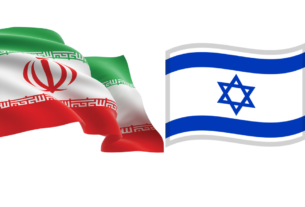
He further raised concerns about Israel and the United States reportedly planning air strikes on Iran, questioning the timing of Modi’s visit. “Yet the Prime Minister is going to Israel tomorrow to embrace his good friend, Mr. Netanyahu, who faces very serious corruption charges,” Ramesh said.
The Congress leader highlighted that opposition parties in Israel have threatened to boycott Modi’s address to the Israeli Parliament in protest of what they view as Prime Minister Netanyahu’s undermining of judicial independence.
Ramesh emphasized that India once stood firmly with Palestine, recalling that it was among the first countries to recognize the Palestinian state on November 18, 1988. “The reality is the Modi government has abandoned the Palestinians, forgetting this historic commitment,” he said.
Modi’s two-day visit to Israel, starting February 25, is expected to include addresses to the Knesset and meetings with Prime Minister Benjamin Netanyahu and President Isaac Herzog. Domestically, the visit has also sparked debate, with opposition parties threatening to boycott the parliamentary address unless the Supreme Court chief is invited according to protocol.
As tensions continue in the Middle East, the world watches closely—not just India’s diplomatic moves, but also how nations balance alliances with human rights concerns. For many, the question remains: can political relationships coexist with moral responsibility?