
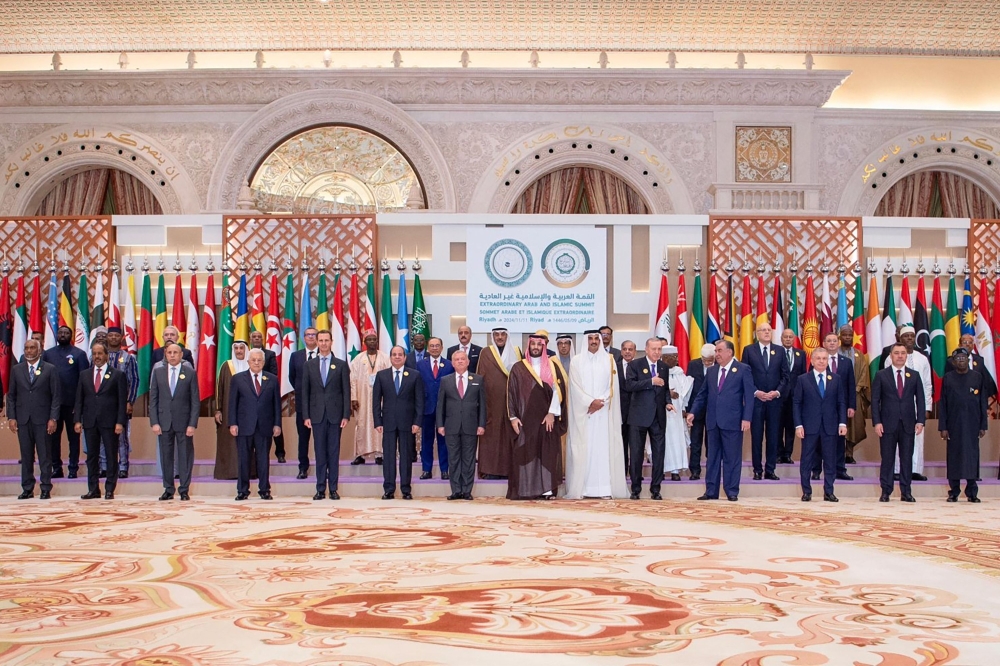
As security tensions continue to rise across the Middle East, Iraq is preparing to host a new virtual meeting of foreign ministers from the Arab League. The gathering aims to address the growing instability in the region and explore coordinated diplomatic responses among Arab nations.
According to reports from Anadolu Ajansi, this upcoming meeting will mark the second virtual session of Arab League foreign ministers since the escalation of conflict involving the United States, Israel, and Iran began on February 28. The situation intensified after a series of military offensives targeting Iran, followed by retaliatory strikes launched by Tehran.
The initiative for the meeting emerged after Iraqi Foreign Minister Fuad Hussein held separate telephone discussions with Oman’s Foreign Minister Badr Albusaidi and Egypt’s Foreign Minister Badr Abdelatty. These conversations focused on the urgent need for unified regional dialogue and stronger diplomatic coordination among Arab nations during a period of heightened geopolitical uncertainty.
During his discussion with Albusaidi, both leaders emphasized the importance of strengthening Arab unity and coordinating collective positions to confront the challenges currently facing the region. Iraq’s Foreign Ministry highlighted that cooperation and joint action among Arab states will be essential in navigating the complex political and security environment.
In a separate conversation between Hussein and Abdelatty, both ministers agreed that the agenda of the upcoming meeting should go beyond a single issue. Instead, they stressed the importance of addressing multiple regional concerns that reflect the scale and seriousness of the current geopolitical climate.
This approach signals a broader intention among Arab leaders to examine the wider implications of ongoing conflicts and the impact they may have on regional security, diplomacy, and stability.
The previous virtual meeting took place on March 10 and was convened as an emergency session of the Arab League. That meeting focused on the immediate consequences of the conflict and the growing concerns surrounding military actions in the region.
At that time, Arab foreign ministers condemned Iranian attacks on regional countries and urged an immediate halt to hostilities. The ministers also expressed concern about the potential for the conflict to expand and destabilize neighboring nations.
Since late February, the region has witnessed an escalation of military exchanges. US and Israeli strikes targeting Iran were followed by multiple drone and missile attacks reportedly launched by Tehran. Several of these attacks were directed at Israel and Gulf states that host United States military installations.
The rapidly evolving situation has raised concerns among regional governments, international observers, and global diplomatic institutions. Analysts warn that continued escalation could further complicate the already fragile geopolitical landscape of the Middle East.
The upcoming Arab League meeting is expected to focus not only on immediate security concerns but also on broader strategies for maintaining regional stability, strengthening diplomatic coordination, and preventing further escalation of hostilities.
Leaders participating in the meeting are likely to discuss political cooperation, security coordination, and the role of diplomatic channels in easing tensions among the involved parties. The conversation may also explore mechanisms for collective Arab responses to emerging threats and regional crises.