

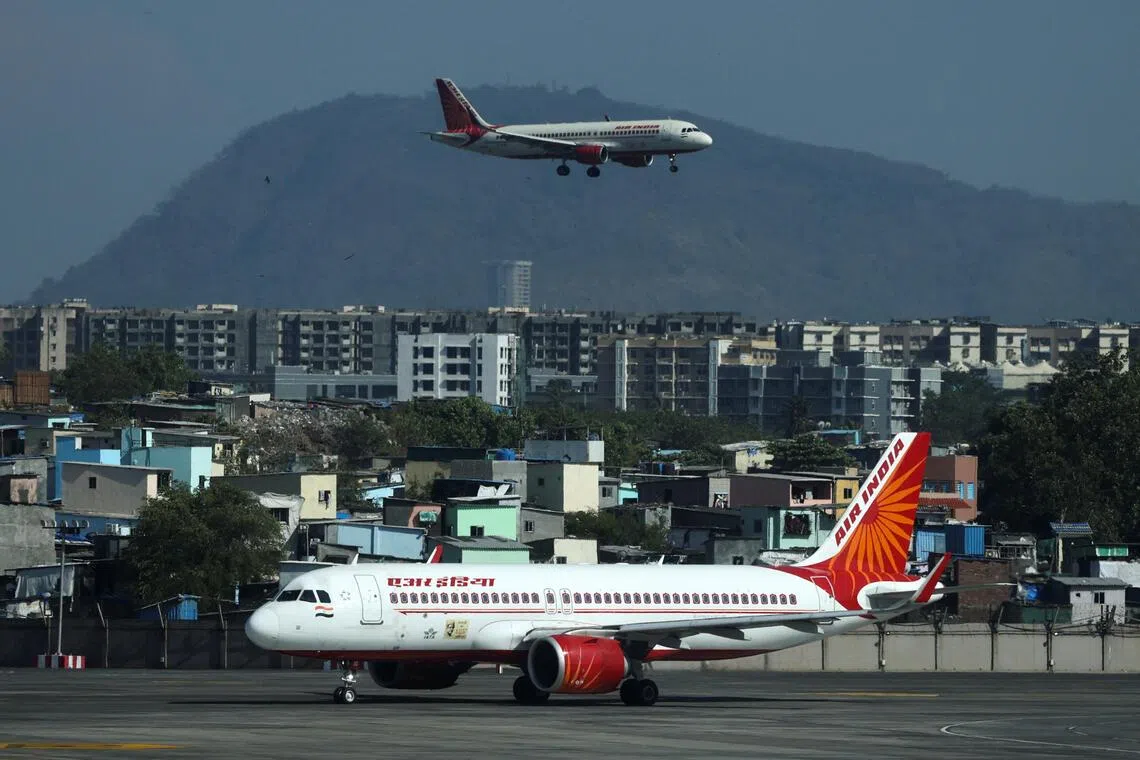
An Air India Boeing 777 aircraft was forced to turn back shortly after takeoff from Delhi after pilots detected a sudden drop in engine oil pressure, India’s aviation regulator confirmed on Monday, December 22.
The aircraft was en route to Mumbai when the issue arose. According to the Directorate General of Civil Aviation (DGCA), the crew followed standard safety procedures and shut down one of the engines before safely returning to Delhi. All passengers landed safely, and no injuries were reported. The incident is now under investigation.
The DGCA explained that the alert appeared during flap retraction after takeoff on the Boeing 777-300ER. Soon after, oil pressure in the aircraft’s right-hand engine dropped to zero, prompting the pilots to take precautionary action and abort the journey. Modern commercial aircraft are designed to continue flying and land safely even with one engine shut down, a safeguard that worked as intended in this case.
Air India, which has been under close regulatory and public scrutiny this year, expressed regret over the disruption. In a statement, the airline said the aircraft is undergoing thorough checks and apologized to passengers for the inconvenience caused.
The aircraft involved is around 15 years old and has previously operated long-haul routes to international destinations including Vienna, Vancouver, and Chicago, according to flight-tracking data. Boeing has not yet commented on the incident.
This event comes amid heightened attention on Air India’s safety practices following recent regulatory findings that highlighted multiple compliance lapses. Earlier investigations by the airline acknowledged internal shortcomings and described them as systemic failures, reinforcing the need for stronger operational oversight.
At the heart of this story is a reminder of how aviation safety systems and trained crews work together to protect lives. While technical issues can be unsettling for passengers, this incident also shows why strict procedures, constant monitoring, and quick decision-making remain central to safe air travel.