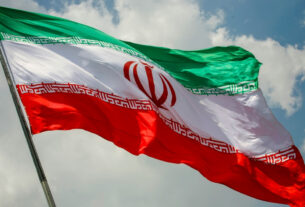

Iran’s nuclear chief Mohammad Eslami was reportedly prevented from attending an annual conference at the United Nations nuclear agency headquarters in Vienna, with Iranian state television blaming US opposition for the disruption.
Iran’s nuclear chief Mohammad Eslami and his delegation were reportedly unable to attend an annual conference at the headquarters of the United Nations’ nuclear agency in Vienna on Monday, September 14, according to Iranian state television.
The Iranian state broadcaster said Eslami and his delegation had taken a regular flight to Vienna on Saturday but were blocked from proceeding because of what it described as “obstructions by the US.”
The report said Eslami had returned to Iran’s capital, Tehran, following the incident.
The development adds another layer of tension to the already sensitive relationship between Iran and the United States, particularly over Tehran’s nuclear activities and international diplomatic engagement.
The International Atomic Energy Agency, commonly known as the IAEA, plays a central role in monitoring nuclear activities and supporting international efforts to ensure that nuclear technology is used for peaceful purposes. Its meetings provide an important platform for countries to discuss nuclear safety, safeguards and global cooperation.
Iran’s nuclear programme has remained a major point of international concern, with diplomatic disagreements frequently affecting efforts to maintain dialogue between Tehran and Western governments.
The Iranian report did not provide further details about the specific US objections or the circumstances surrounding the alleged obstruction. The account was attributed to Iranian state television, and independent confirmation of the reported incident was not included in the supplied news report.
Why This Matters
When a senior nuclear official is unable to attend an international atomic agency meeting, the impact can go beyond one missed conference. It raises questions about diplomatic access, international cooperation and the ability of countries to address sensitive nuclear issues through dialogue.
For Iran, participation in international nuclear discussions is an important part of presenting its position to the global community. For the wider world, such meetings offer opportunities to reduce misunderstandings and address concerns through established diplomatic channels.